Interior doors are one of those things most people stop noticing after a while. They’re just… there. White doors, wood doors, maybe black if someone wanted a modern look. But once you start paying attention to door color combinations, you realize how much they actually affect the entire feel of a home.
I didn’t think much about interior doors until we painted one dark charcoal almost by accident during a weekend refresh. Suddenly the hallway looked more finished, the walls looked brighter, and the whole space felt intentional instead of builder-basic. That’s when I realized doors can either completely disappear—or quietly become one of the best design details in the house.
The good thing is you don’t need a full remodel to make this work. Sometimes changing the door color, trim color, or pairing certain tones together is enough to make a room feel updated. These combinations work because they add contrast, warmth, or softness in ways that feel natural instead of trendy.
1. White Doors With Black Trim
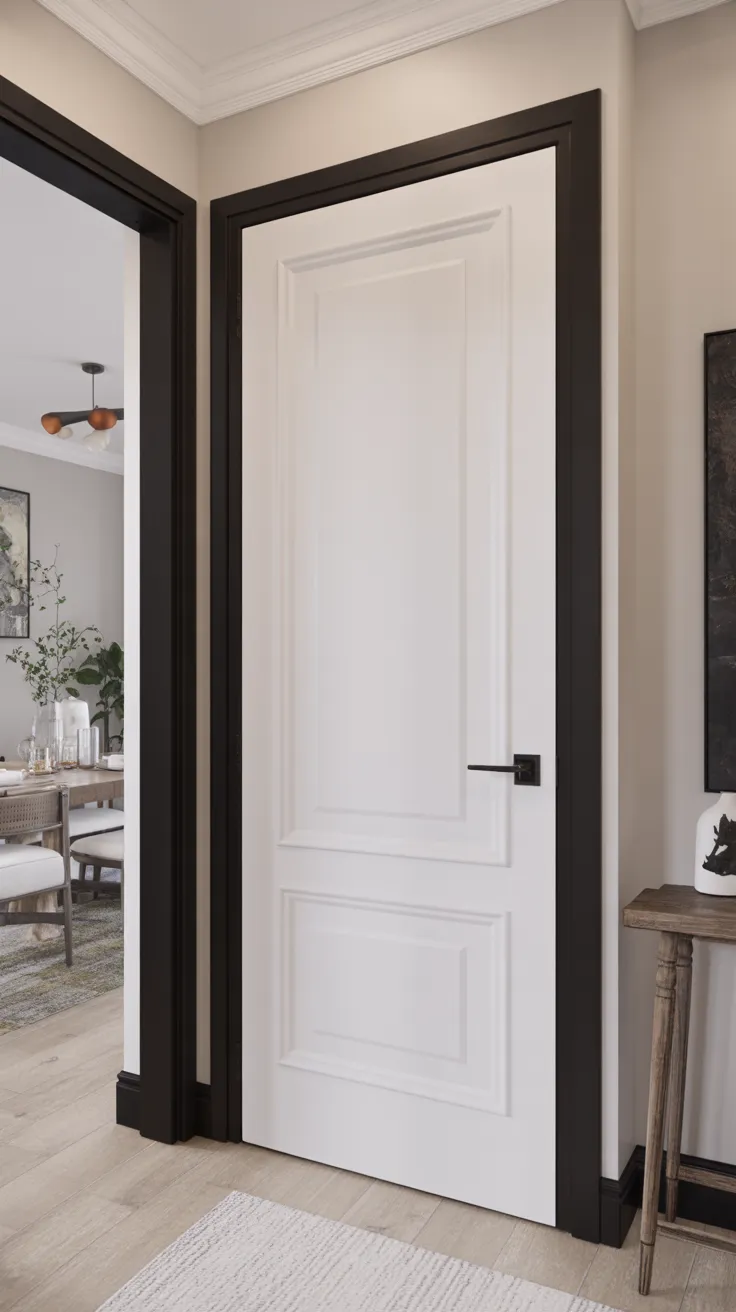
This combination feels crisp and modern without being overly dramatic. The white keeps things bright while the black trim outlines the door beautifully and makes everything feel more architectural.
It works especially well in homes with neutral walls because the contrast instantly adds depth without needing extra decor.
2. Soft Beige Doors With Warm White Walls
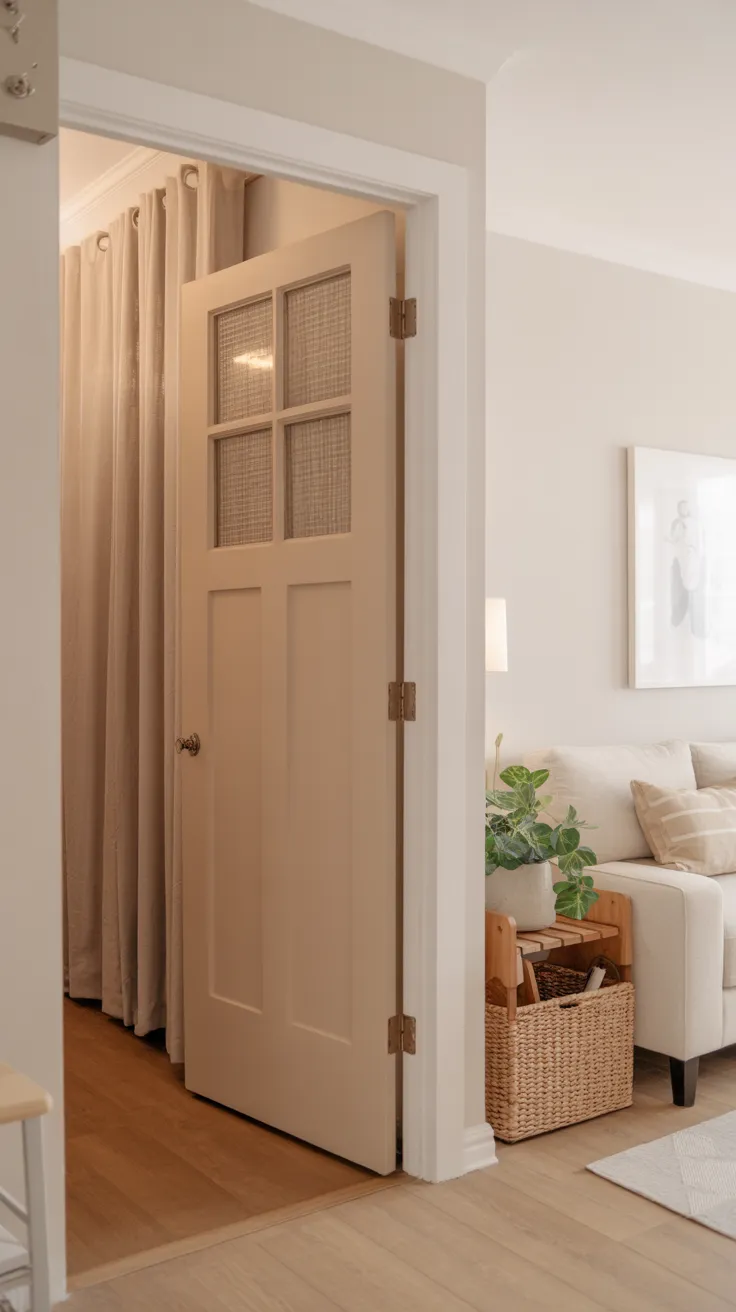
If pure white feels too stark, beige doors create a softer transition between spaces.
This combination feels calm and cozy, especially in homes with warmer wood tones and natural textures. A simple matte beige paint can completely soften the look of a room without making it feel dark.
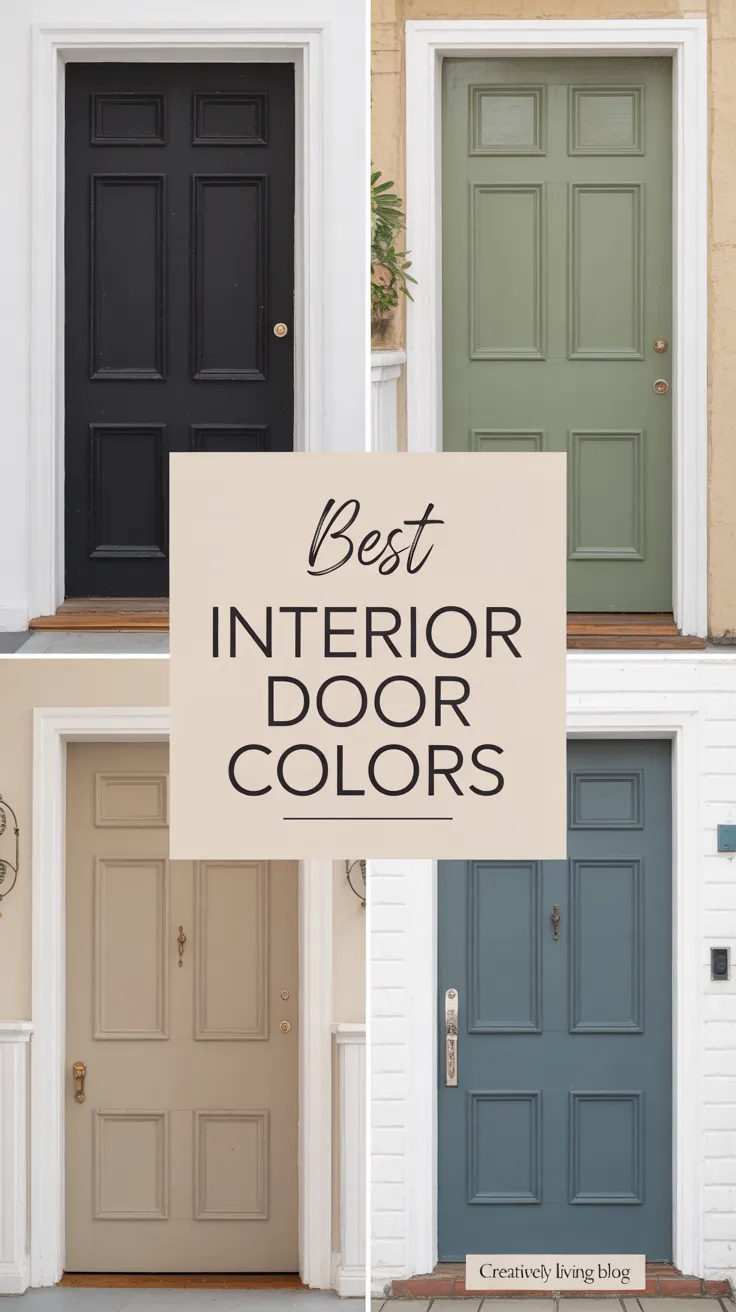
3. Black Doors With White Walls
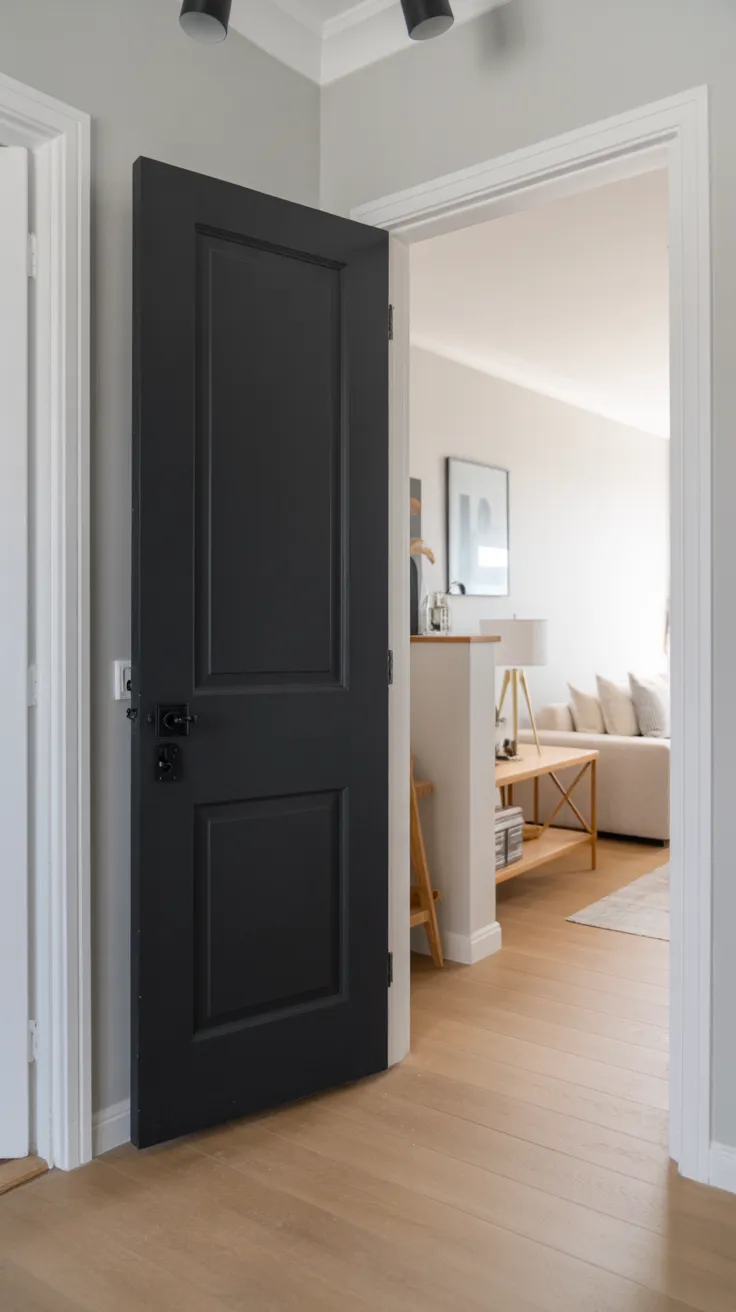
This is one of the boldest combinations, but it honestly works in almost every style of home.
Black doors instantly add structure and contrast. Against white walls, they become a design feature instead of blending into the background.
4. Natural Wood Doors With Sage Green Walls
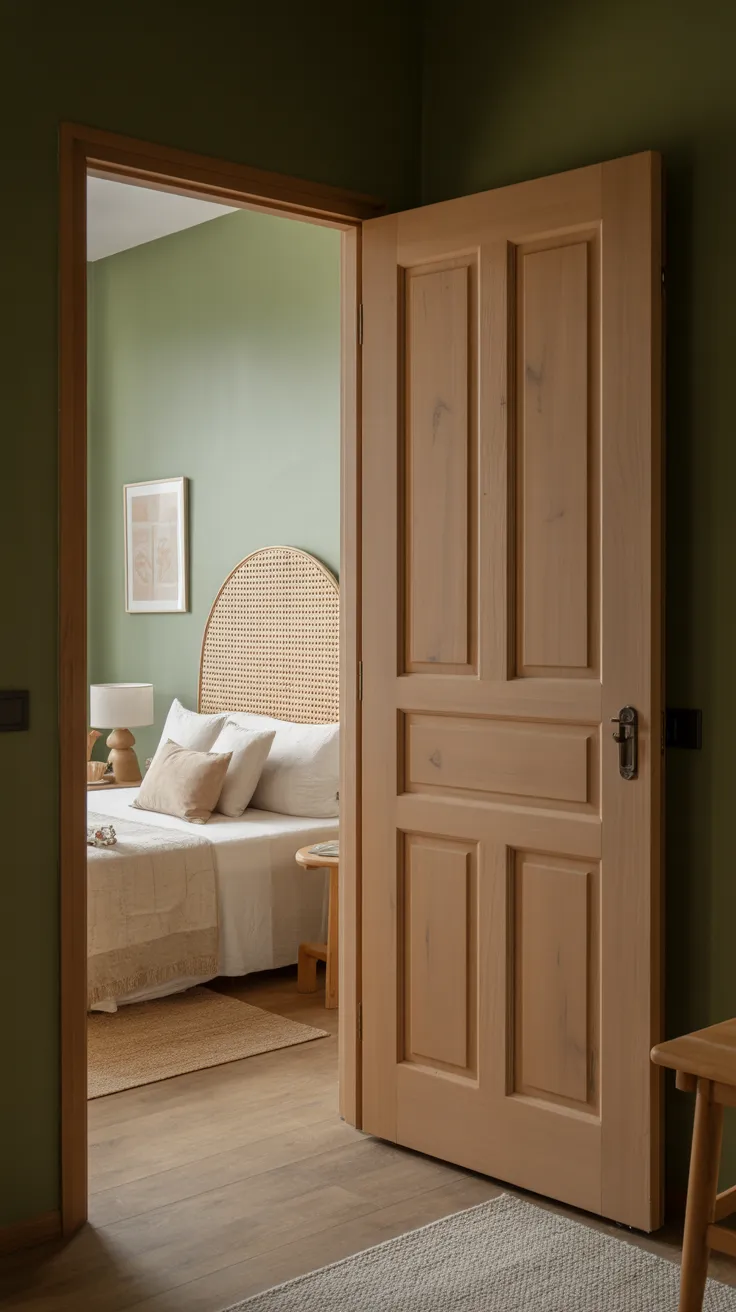
Wood and sage green always feel grounded together. The natural warmth of wood softens the cooler green tones and creates a very relaxed, organic look.
This combination works beautifully in bedrooms, offices, or calm living spaces.
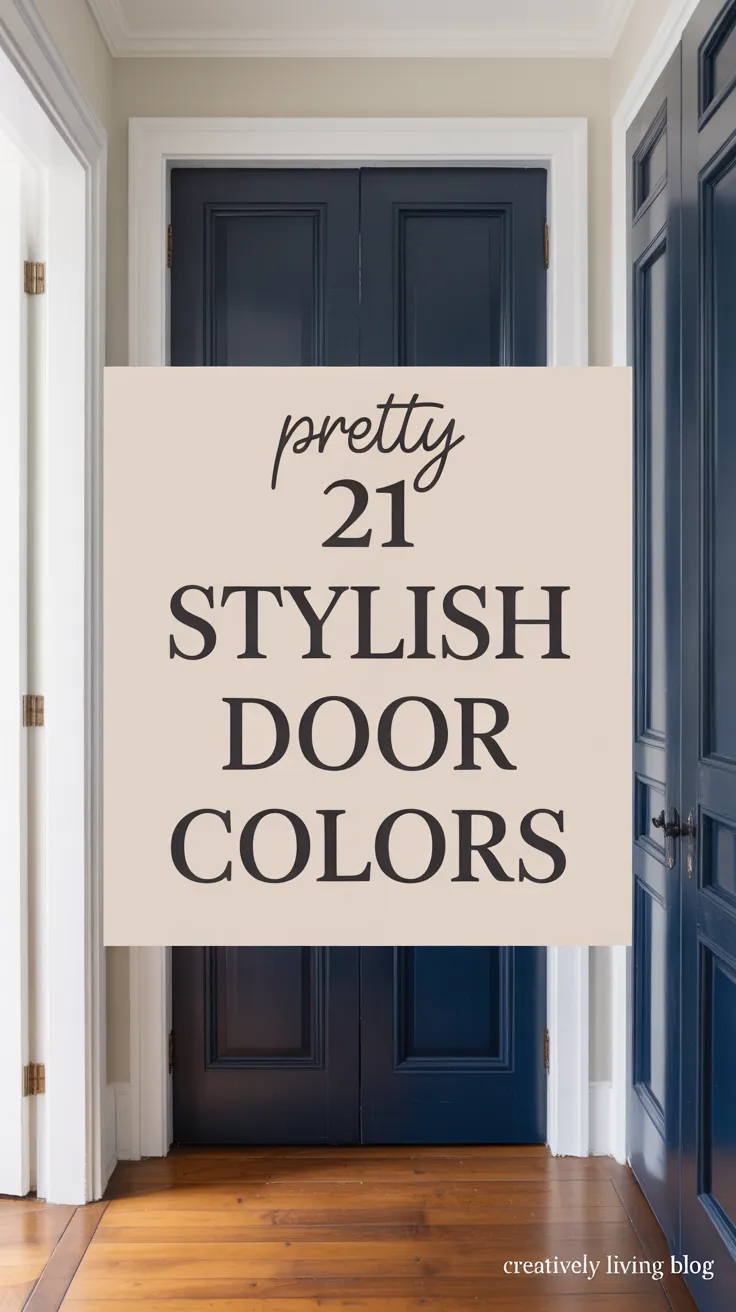
5. Navy Blue Doors With Crisp White Trim
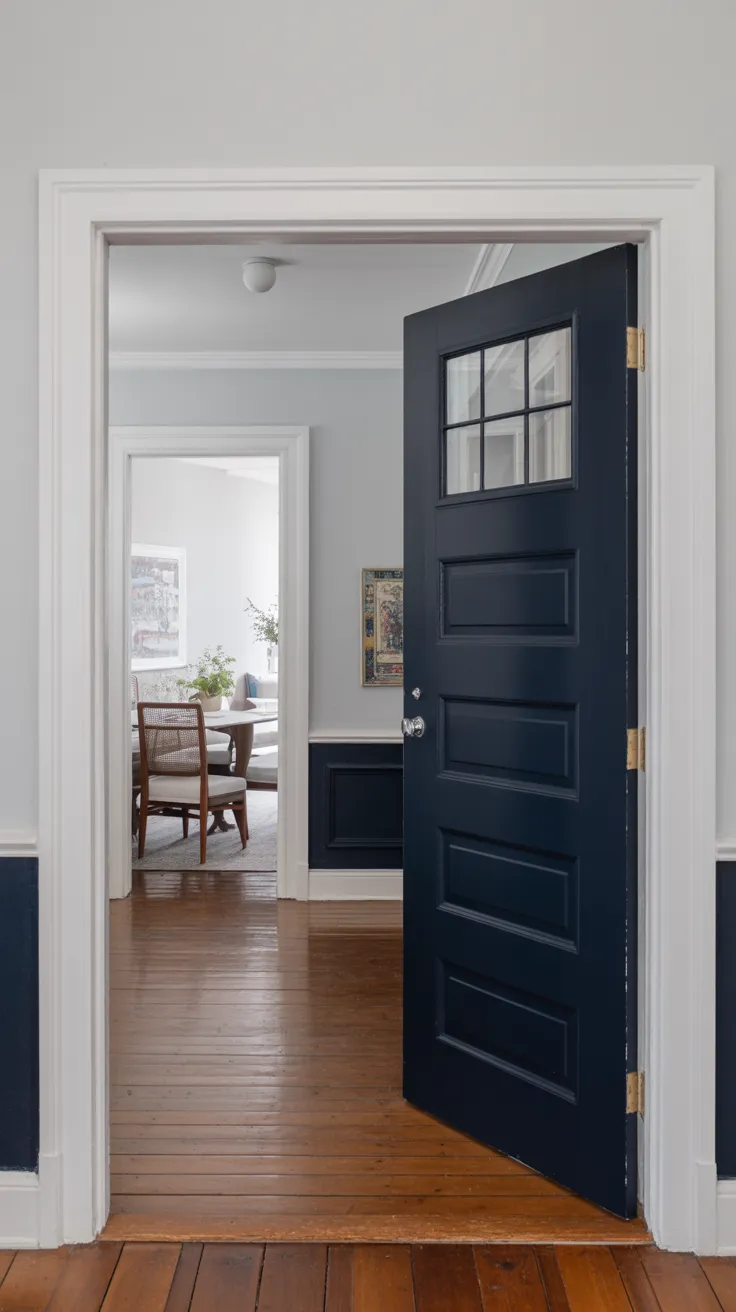
Navy adds depth without feeling as harsh as black. Paired with white trim, it feels classic and polished.
It’s especially nice in hallways or entryways where you want a little personality without overwhelming the space.
6. Greige Doors With Matching Walls
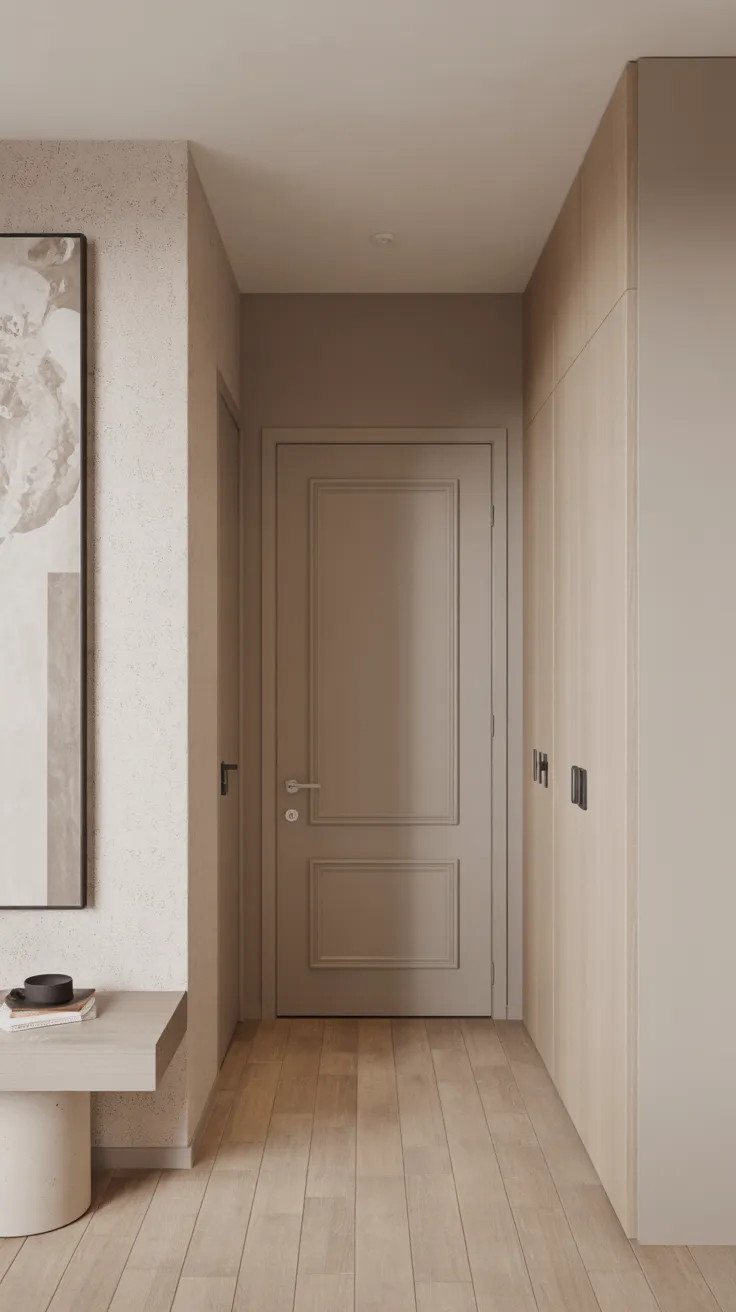
Matching doors to the wall color creates a seamless look that feels clean and elevated.
Greige works particularly well because it has both warm and cool undertones, making it easier to pair with different flooring and furniture styles.
7. Charcoal Doors With Light Grey Walls
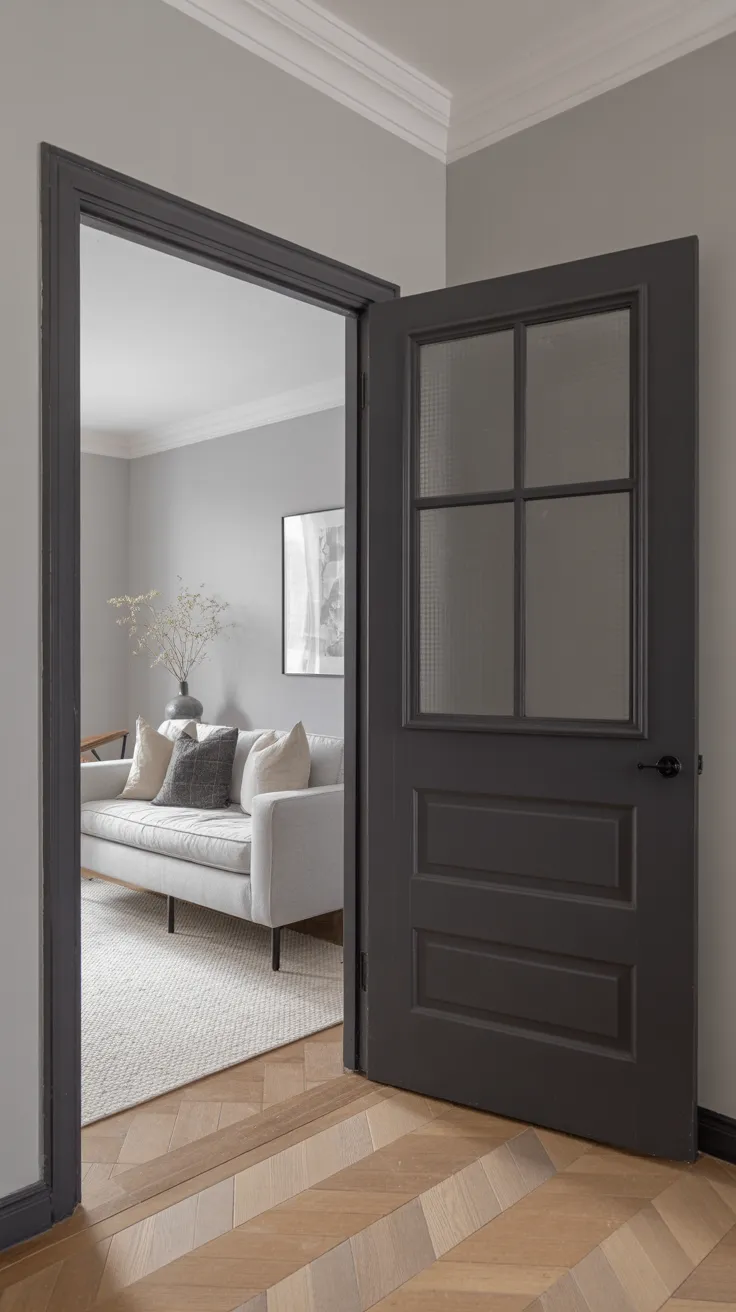
This combination creates subtle contrast while still keeping the space soft and modern.
It’s a great option if you want darker doors without the stronger look of pure black.
8. Dusty Blue Doors With Cream Walls
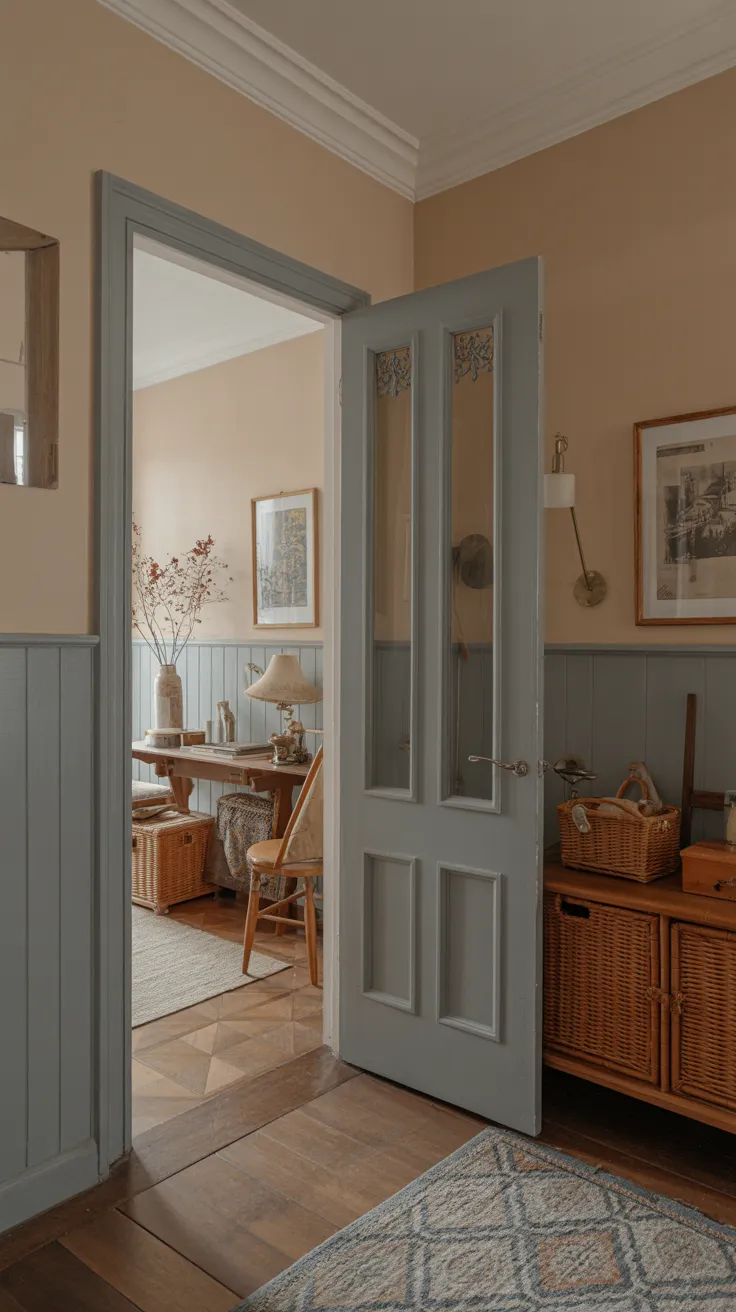
Dusty blue adds color in a way that still feels calm and livable.
Against cream walls, the combination feels warm, slightly vintage, and very cozy.
9. White Doors With Warm Wood Trim
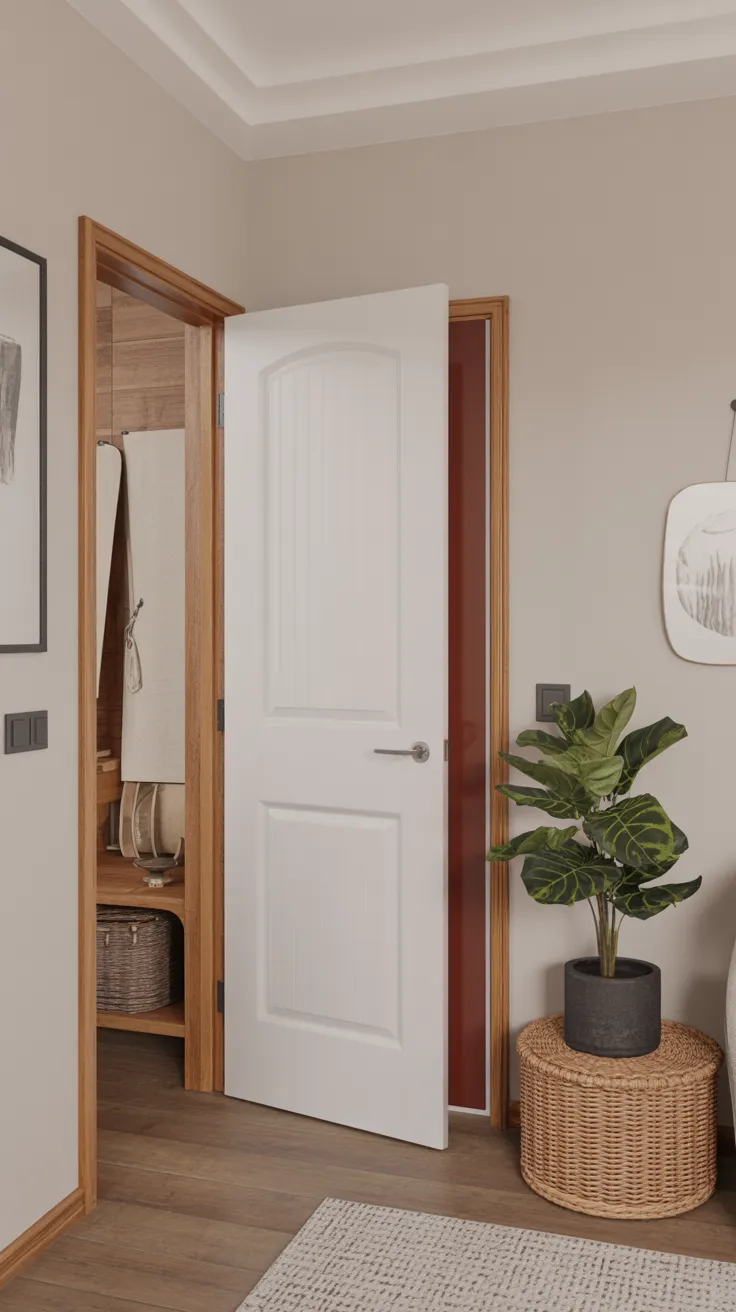
Instead of painting everything white, leaving natural wood trim around white doors creates a softer and more layered look.
It keeps the home from feeling overly flat or sterile.
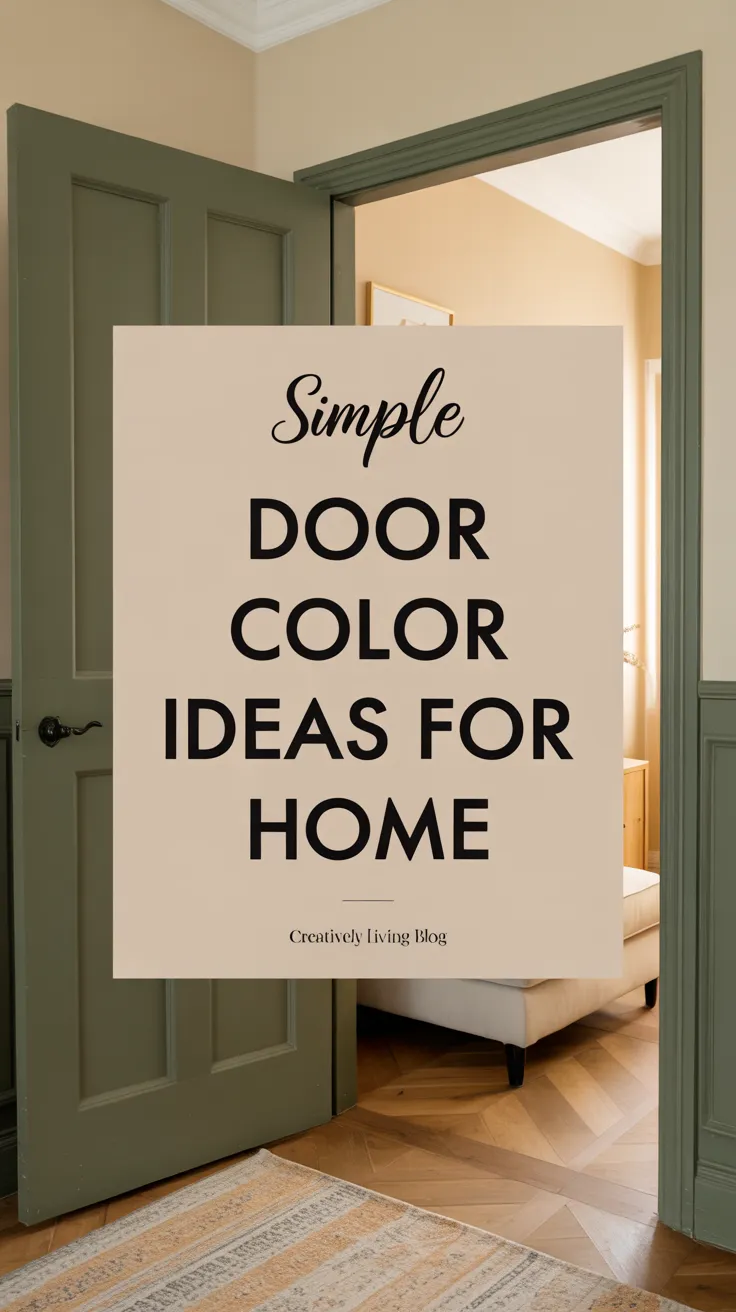
10. Olive Green Doors With Beige Walls
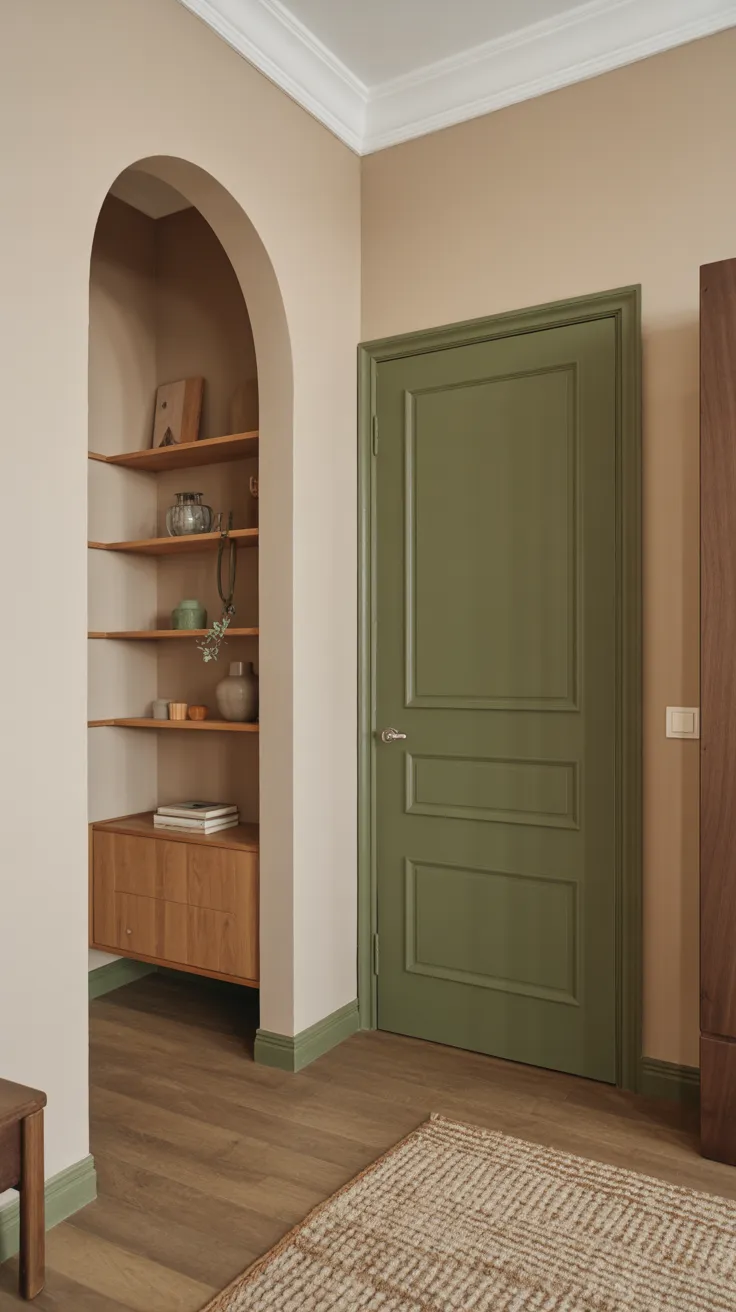
Olive green feels rich without being overwhelming. Paired with beige walls, it creates a grounded earthy combination that feels timeless.
This works especially well in homes with lots of natural light.
11. Matte Black Doors With Brass Hardware
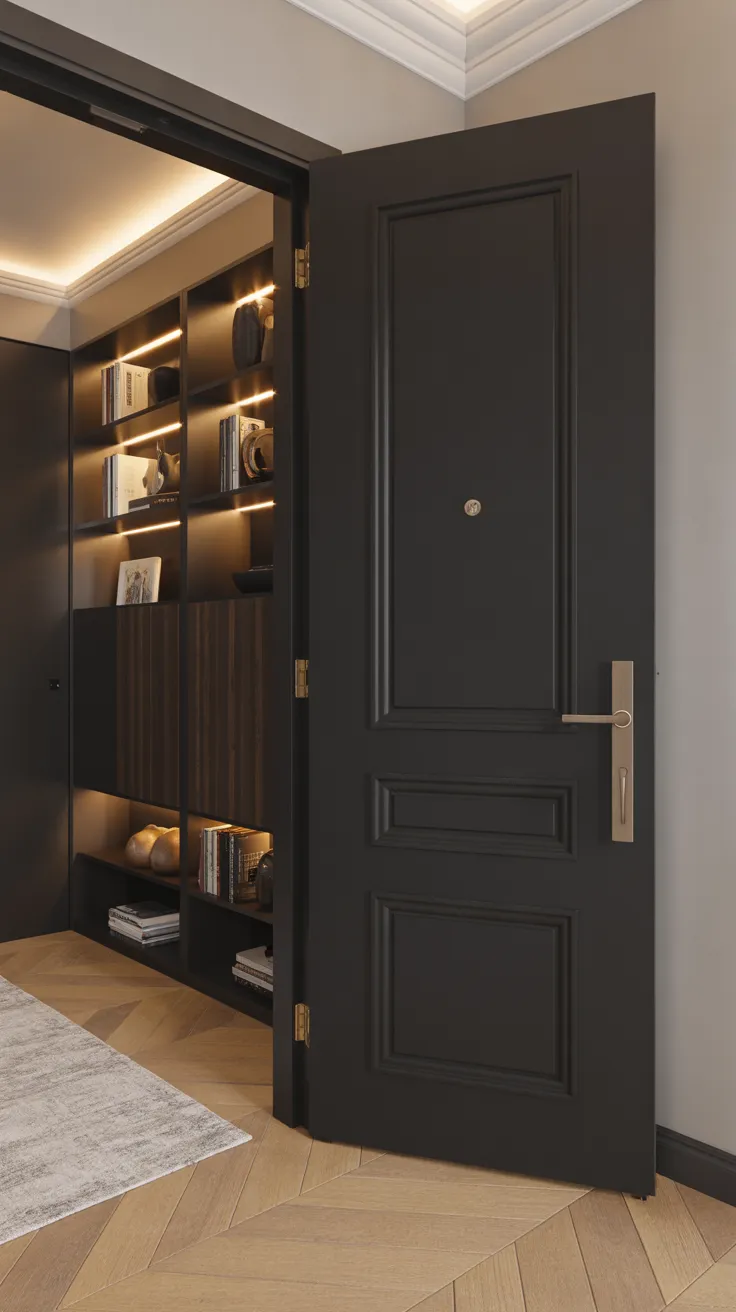
Sometimes the hardware matters just as much as the paint color.
A brass door handle set against matte black doors adds warmth and makes the entire setup feel more custom.
12. Pale Blue Doors With White Walls
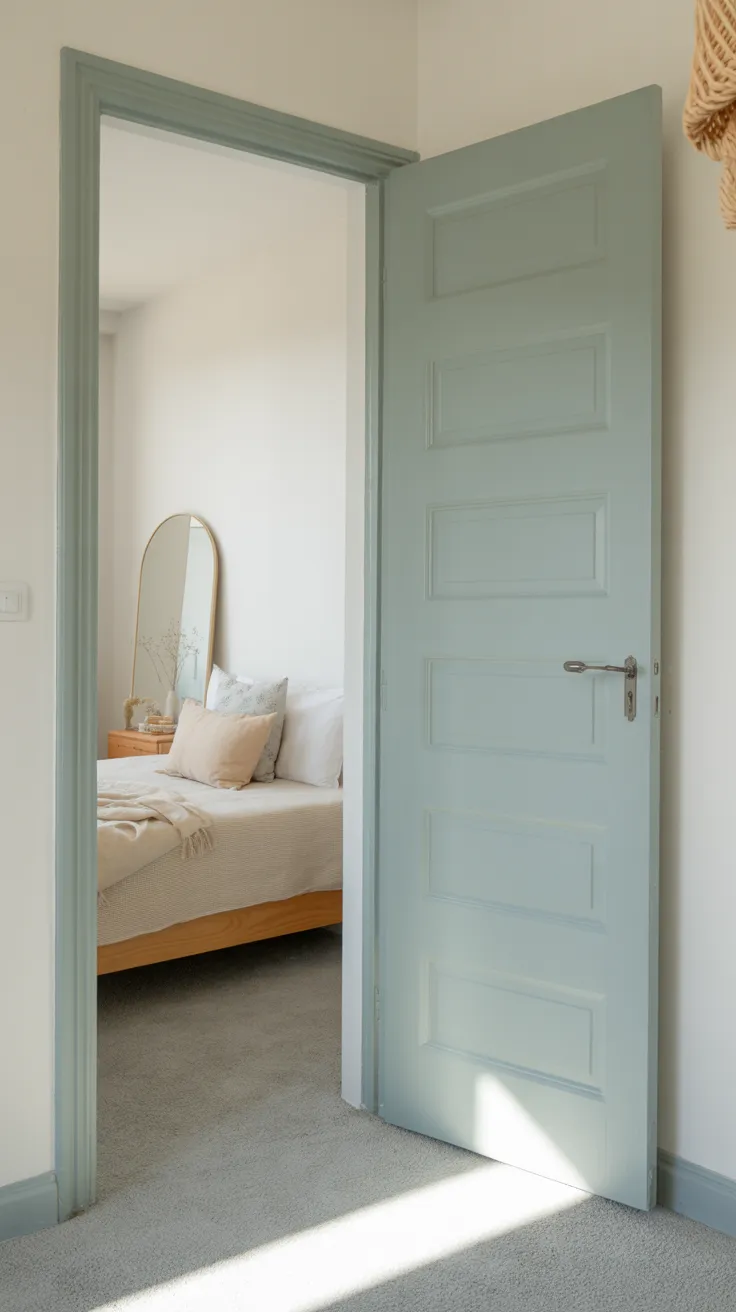
This combination feels airy and peaceful without looking overly themed.
It’s perfect for bedrooms, bathrooms, or smaller spaces where you want things to feel light and open.
13. Dark Brown Doors With Warm Taupe Walls
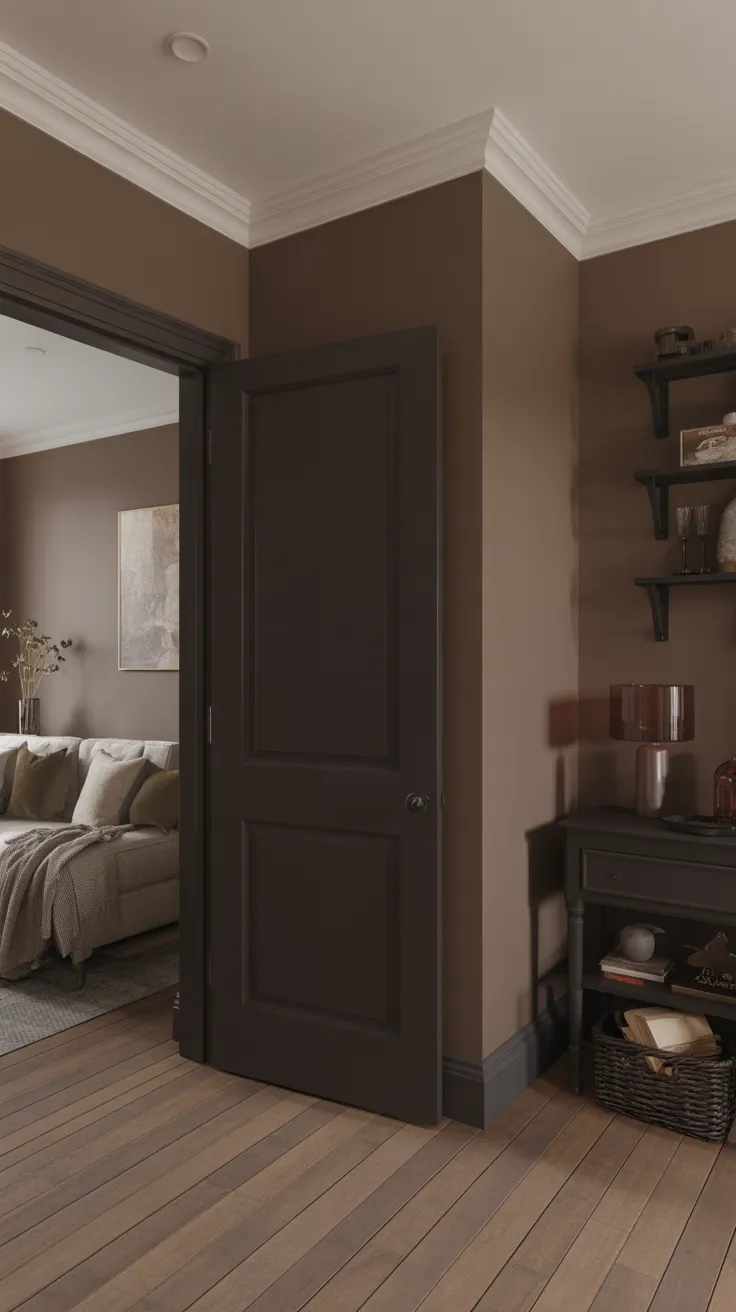
Dark brown doors create richness and warmth that works beautifully with taupe walls.
This pairing feels especially cozy in traditional or transitional homes.
14. Forest Green Doors With Cream Trim
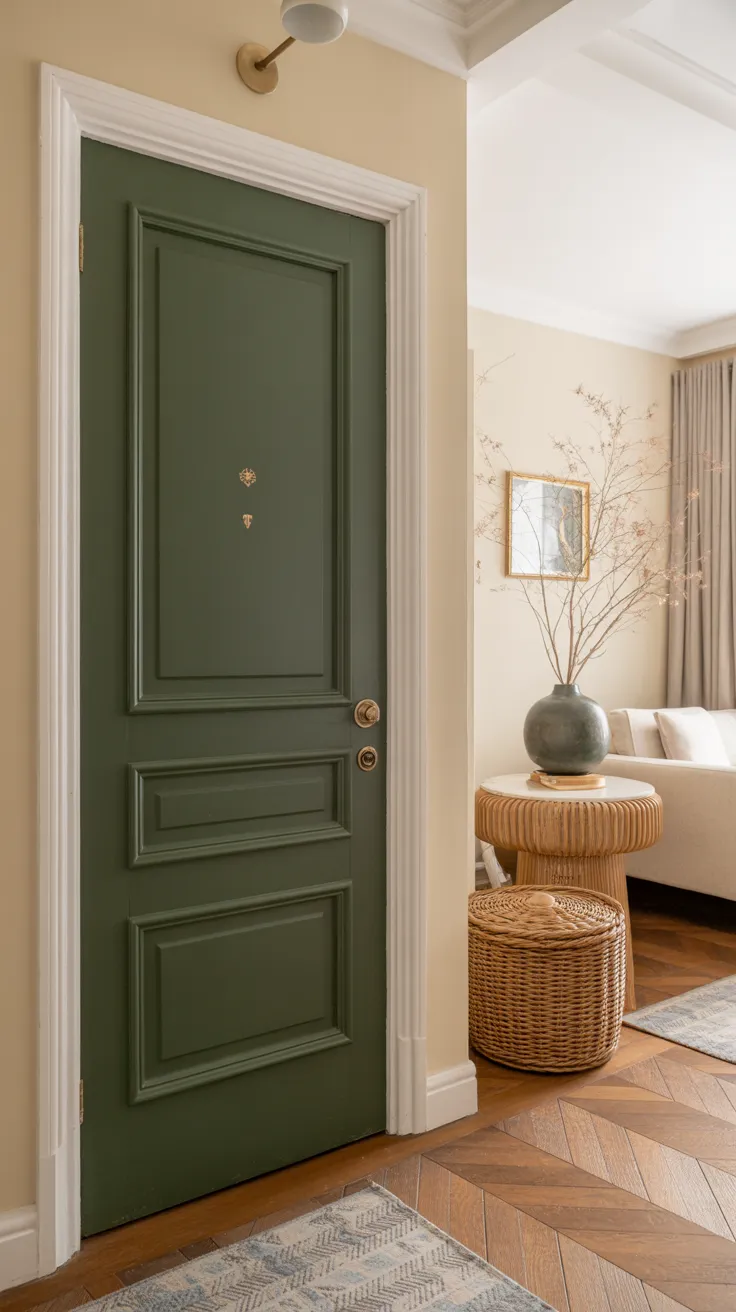
Forest green has a very grounded, elegant feel to it.
Cream trim softens the depth of the green and keeps it from feeling too dark or formal.
15. White Doors With Black Hardware
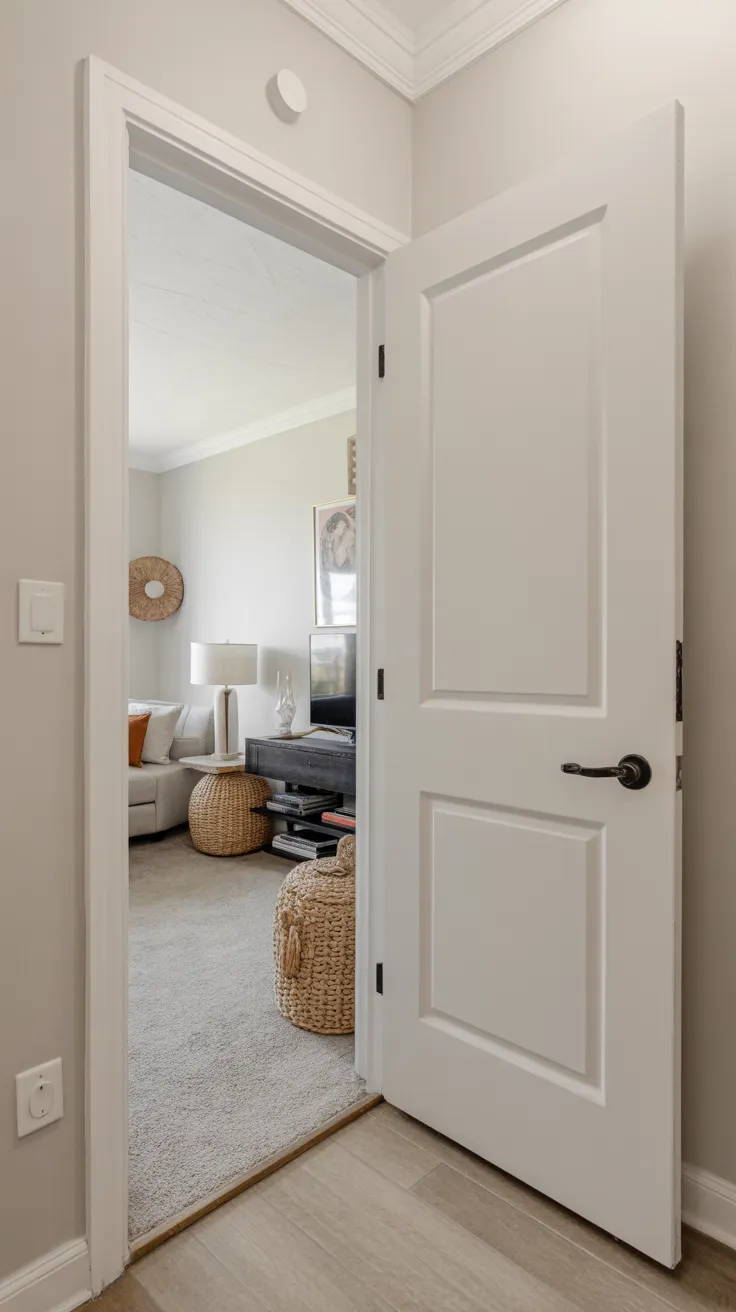
If painting doors feels like too much commitment, changing the hardware alone can make a surprisingly big difference.
Simple black door handles give plain white doors a much more modern and intentional look.
16. Terracotta Doors With Soft Beige Walls
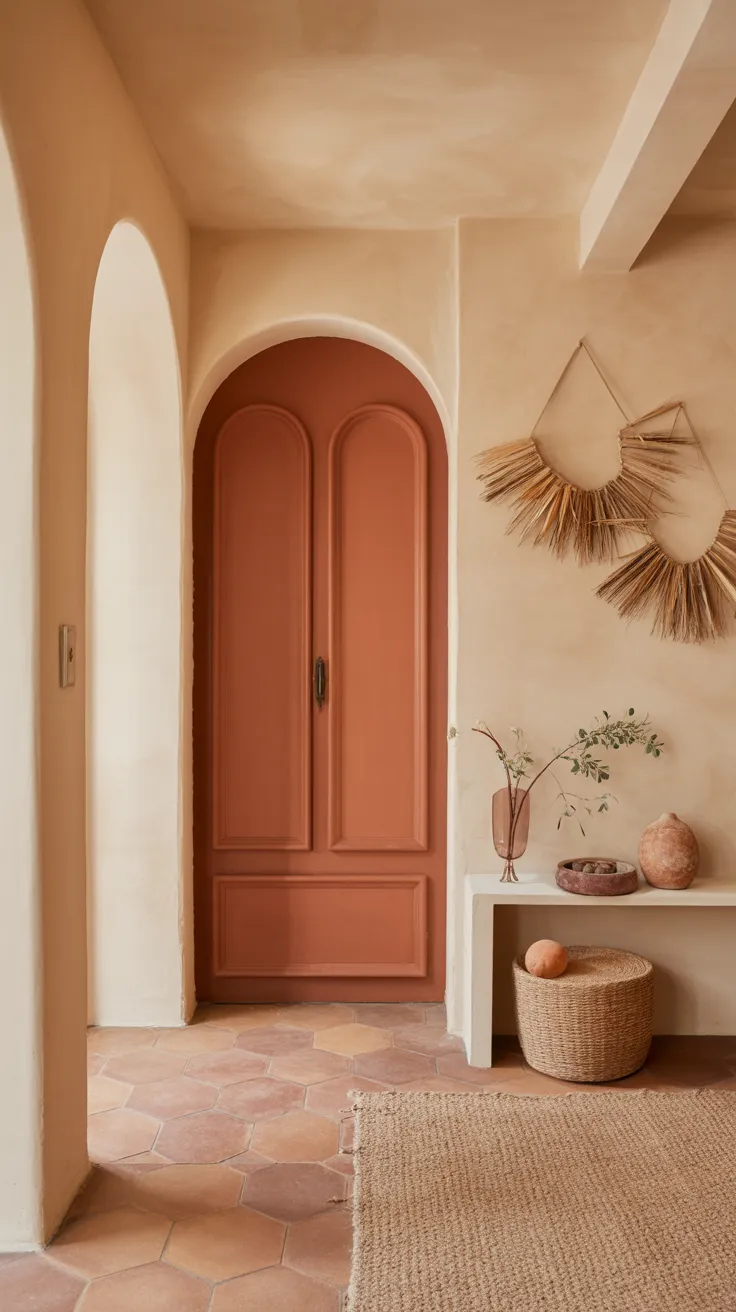
This combination feels warm, earthy, and slightly Mediterranean-inspired without going over the top.
Terracotta works especially well in homes with warm wood floors and natural textures.
17. Light Oak Doors With White Walls
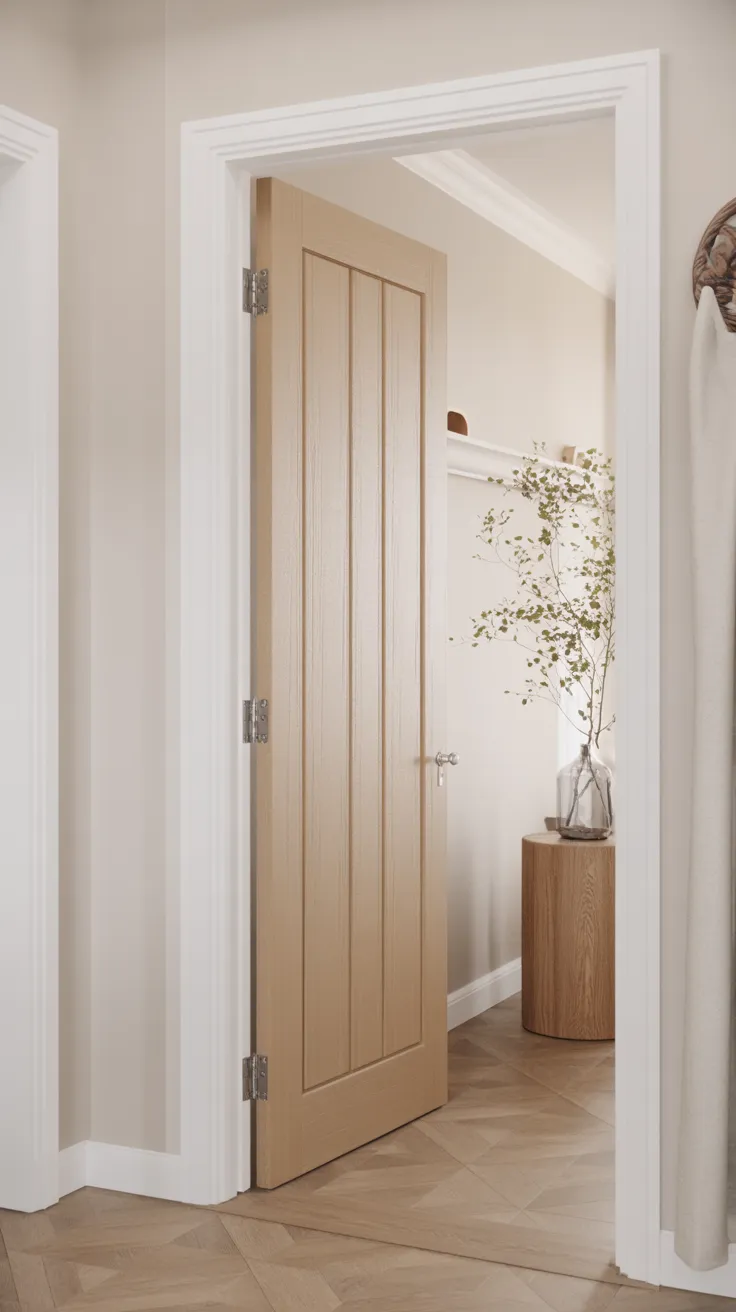
Light oak doors add warmth while still keeping spaces bright and airy.
This is one of the easiest ways to make a home feel cozy without adding heavy dark tones.
18. Grey Doors With White Trim
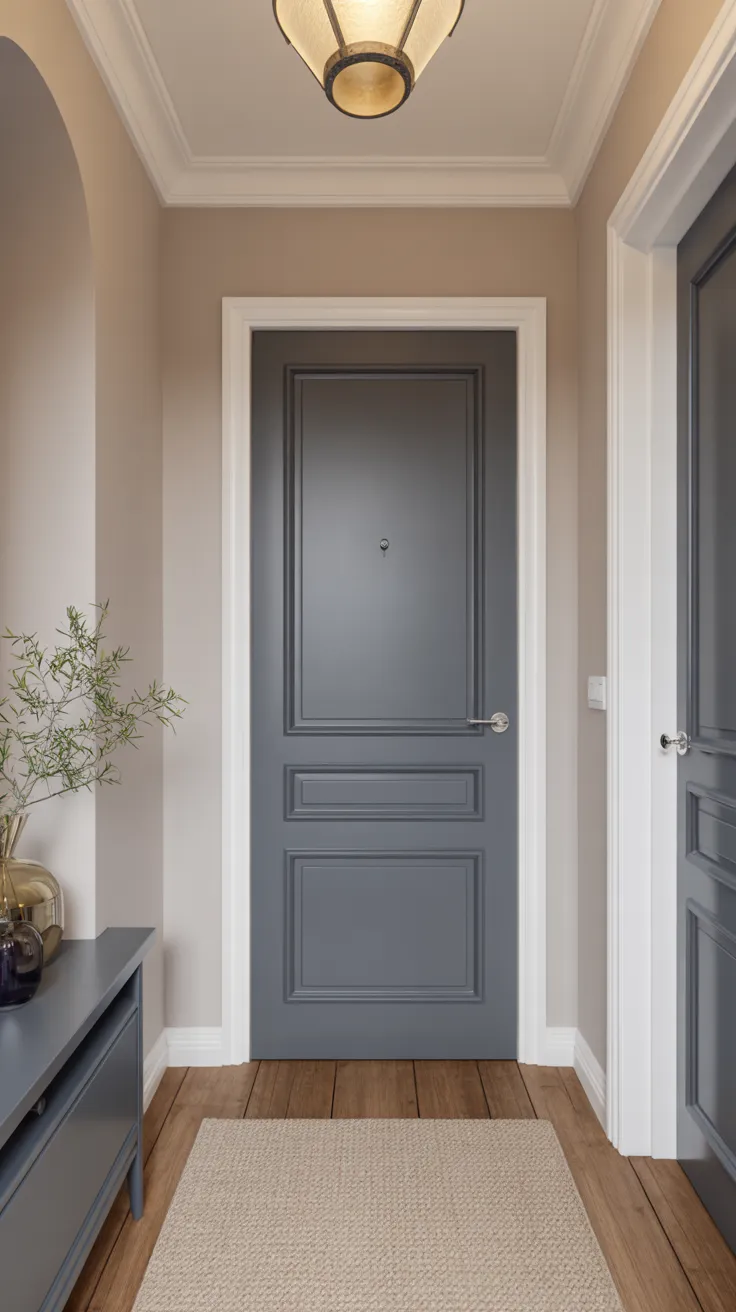
Grey doors are one of the safest options if you want something different from white but still neutral.
White trim keeps the look clean and balanced so the grey doesn’t feel too heavy.
19. Deep Blue Doors With Soft Grey Walls
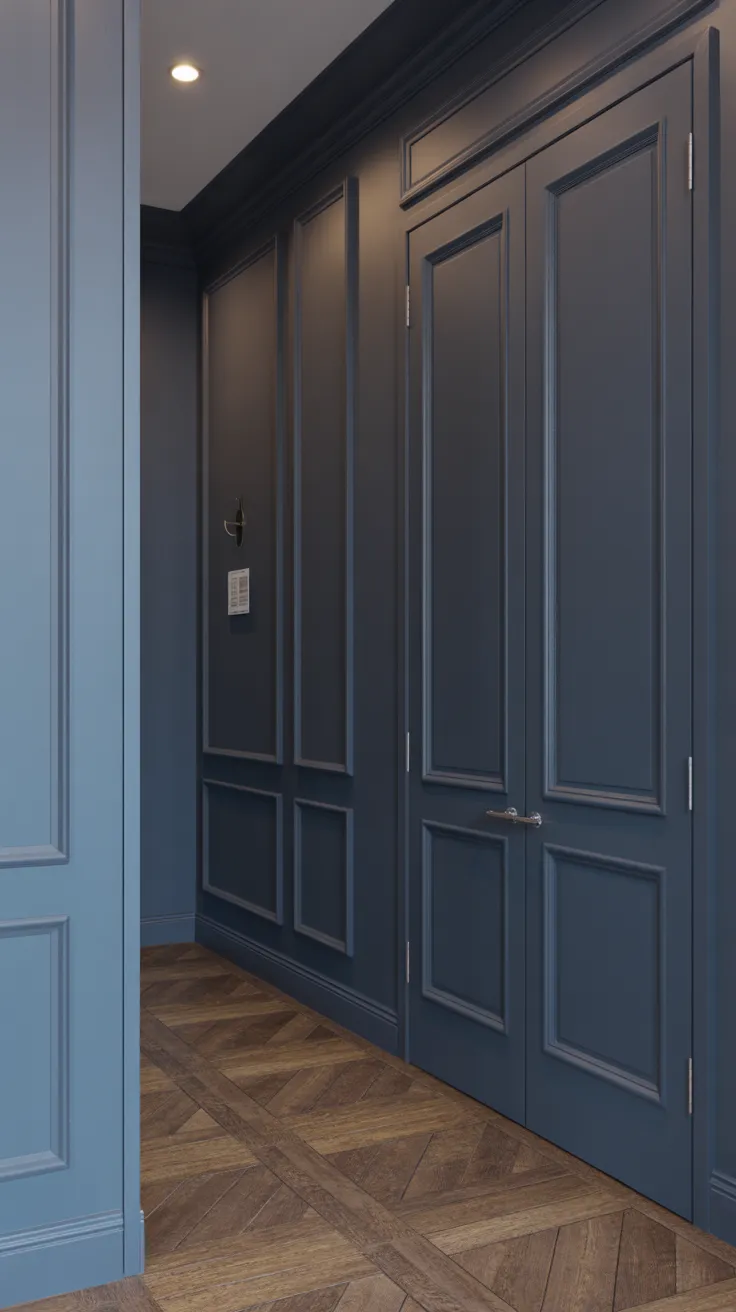
Deep blue against soft grey creates a calm layered look that feels sophisticated without trying too hard.
This combination works especially well in modern homes with minimal decor.
20. Cream Doors With Warm Greige Walls
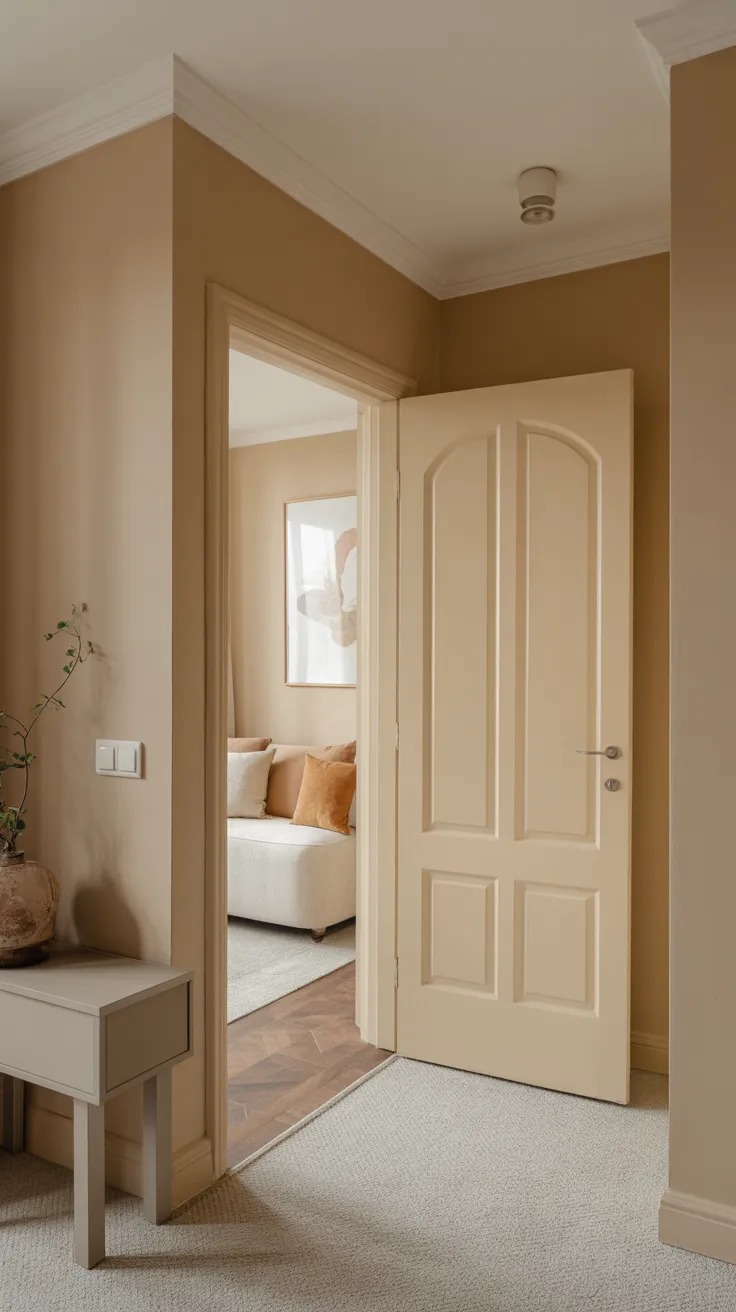
Cream doors create a softer contrast than white and feel more relaxed overall.
Paired with warm greige walls, the entire room feels cohesive and comfortable.
21. Keep the Color Palette Consistent
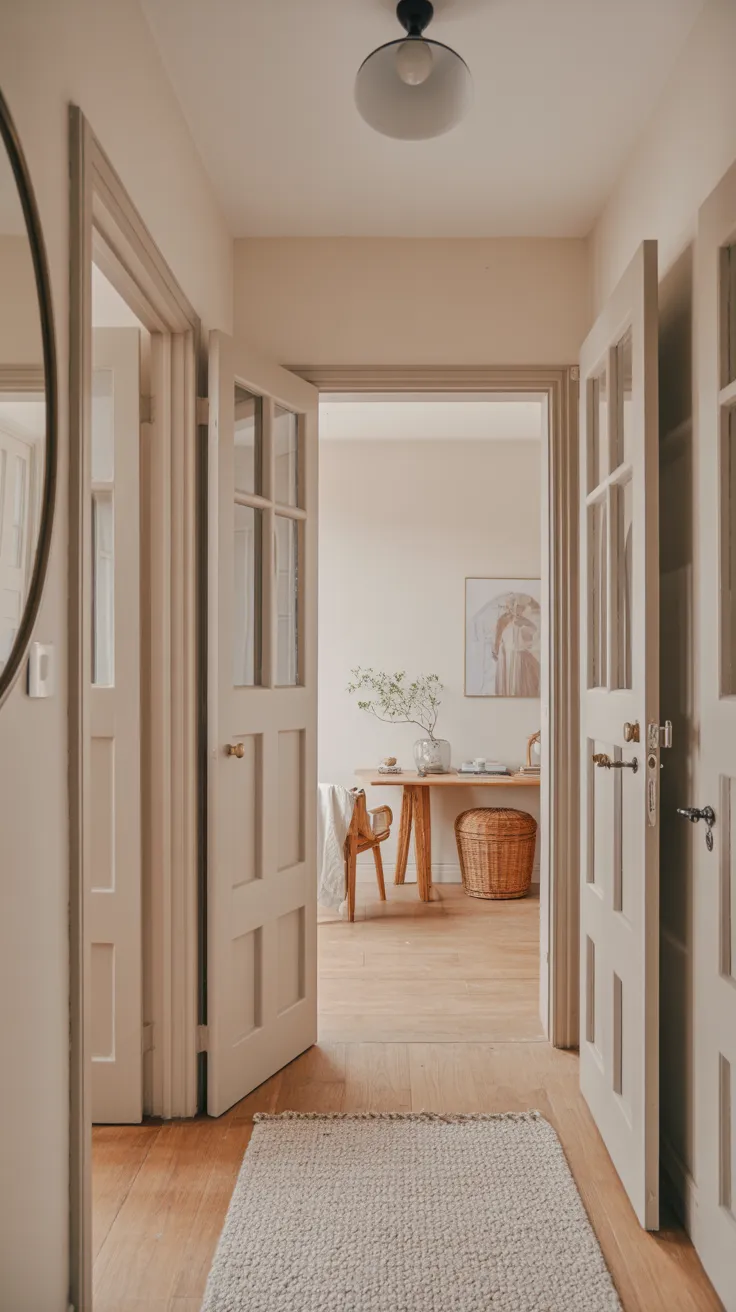
One thing that makes door colors look intentional instead of random is consistency.
You don’t necessarily need every door to match perfectly, but the tones should feel connected throughout the house. Warm colors tend to work best together, while cooler shades usually pair better with cooler wall tones.
Honestly, this is what keeps the home feeling designed instead of pieced together over time.
FAQs
Should interior doors match throughout the house?
Not necessarily, but they should feel cohesive. Using similar undertones or repeating certain colors helps the house feel more connected overall.
Are black interior doors still in style?
Yes, especially in modern and transitional homes. Black doors add contrast and make spaces feel more intentional without needing major renovations.
What color doors make a house feel brighter?
White, cream, pale wood, and soft neutral tones help reflect light and keep rooms feeling open and airy.
Is it okay to paint interior doors different colors?
Absolutely. Accent door colors can add personality and depth, especially when paired thoughtfully with wall and trim colors.
Final Thought
Interior doors are one of those details that quietly change how a home feels. Once you notice them, it’s hard to unsee the difference between doors that blend in and doors that actually add to the design of the space.
The best part is you don’t need to repaint your whole house to make an impact. Sometimes changing one door color, updating hardware, or pairing colors differently is enough to make everything feel fresher.
And honestly, those small changes are usually the ones that end up making a home feel the most personal.
