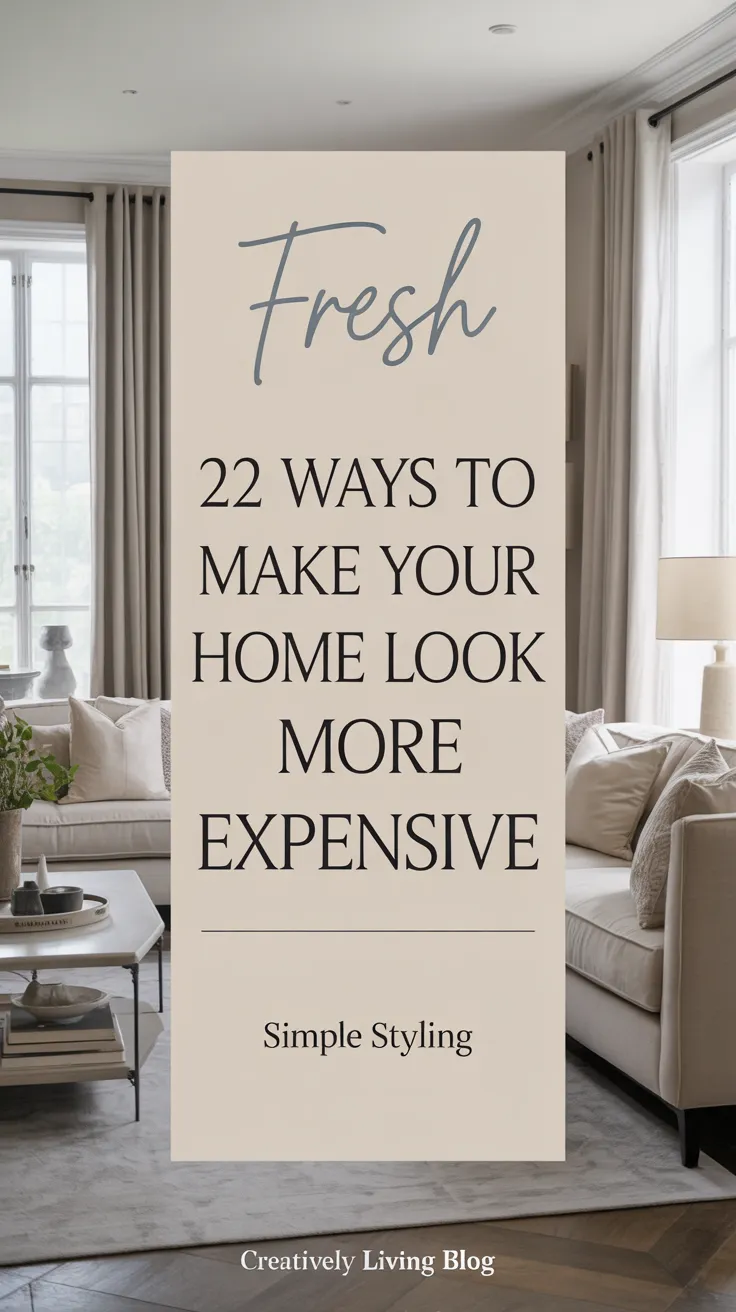
There’s a big difference between a home that looks expensive and one that actually is.
And honestly? Most of the time, it’s not about how much you spend—it’s about how you style what you already have.
I’ve learned this the hard way after wasting money on things that didn’t move the needle at all. Meanwhile, a few small changes—better lighting, rearranging furniture, swapping textures—completely changed how a room felt.
So if your home feels a little flat or unfinished, these are the kinds of upgrades that actually make a difference.
1. Swap Out Harsh Lighting
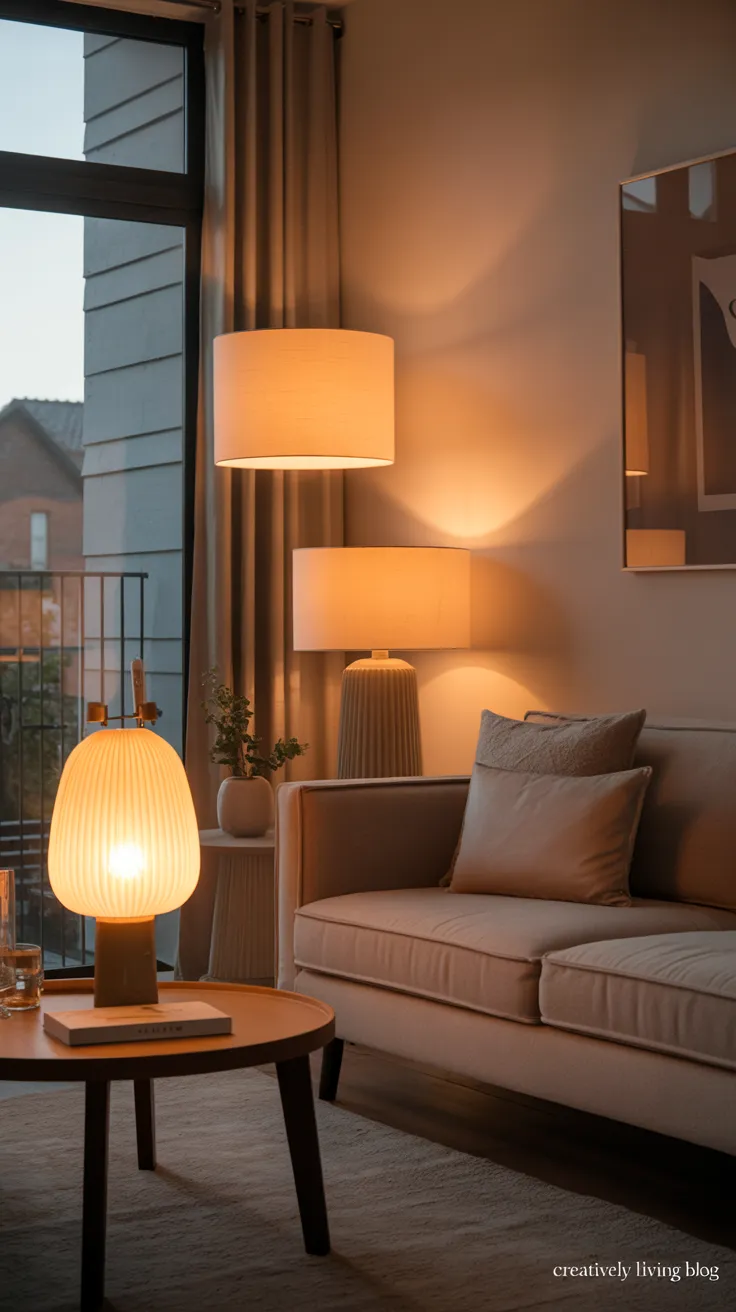
Lighting changes everything.
Cool white bulbs can make your home feel sterile, while warm lighting instantly makes it feel cozy and high-end.
Use warm white bulbs (around 2700K), and layer your lighting—floor lamps, table lamps, not just overhead lights.

2. Use Larger Rugs Than You Think You Need
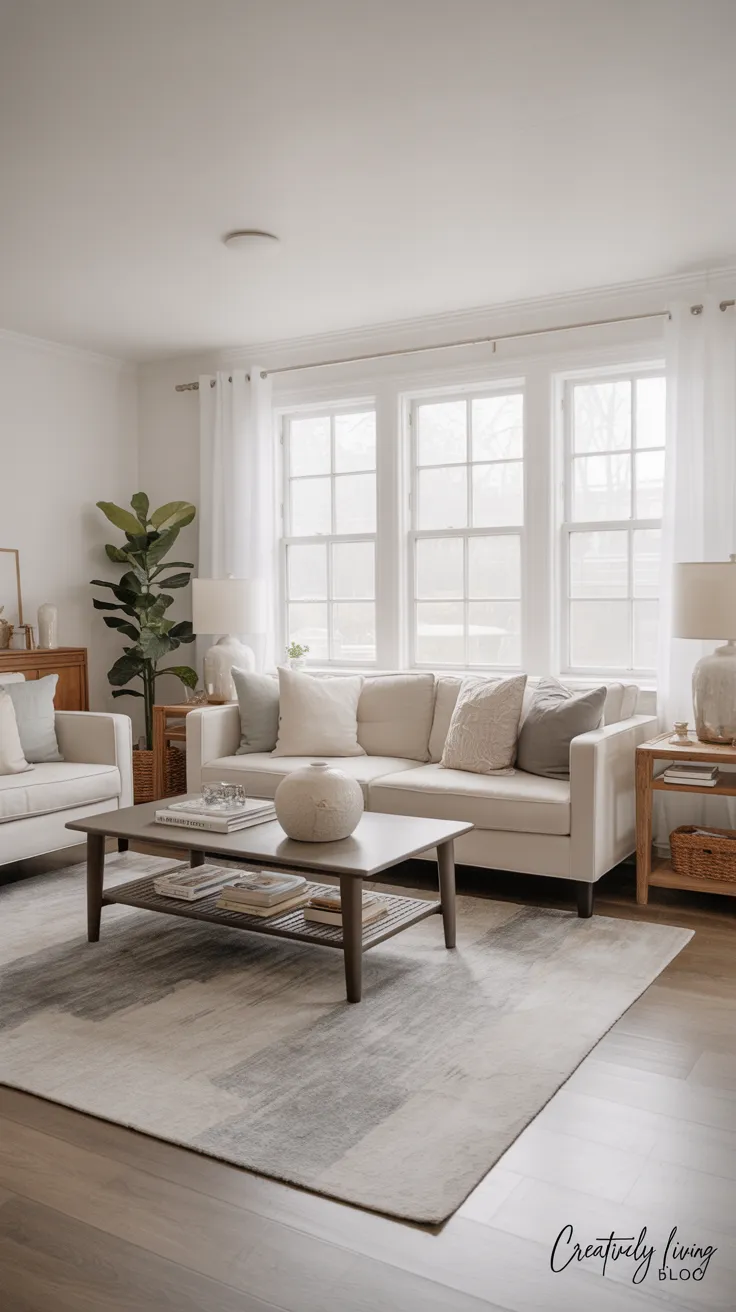
Small rugs make a room feel cheap. There’s no nice way to say it.
A larger rug that fits under your furniture anchors the space and makes everything feel intentional.
A good large area rug instantly upgrades a room.
3. Hang Curtains Higher and Wider
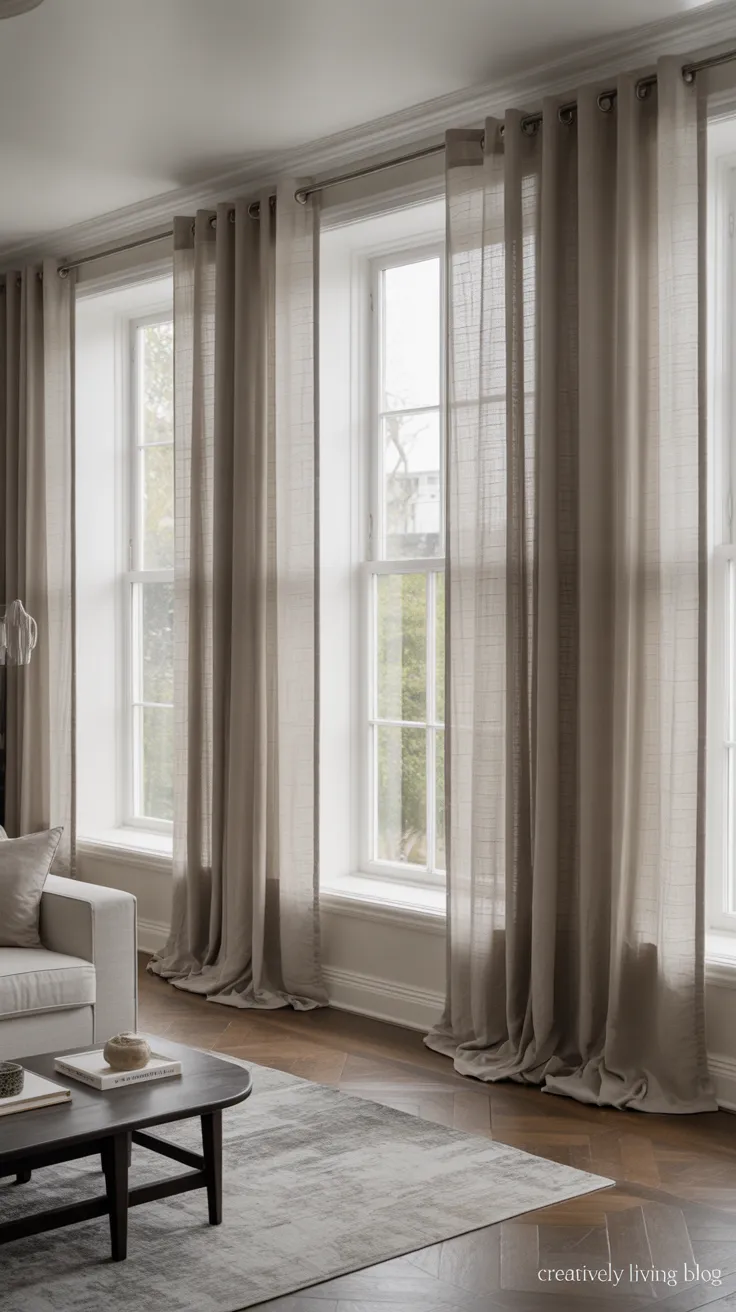
This one is huge.
Mount your curtain rods closer to the ceiling and extend them wider than the window. It makes ceilings look taller and windows feel bigger.
Even basic curtains look expensive when hung properly.
4. Stick to a Tight Color Palette
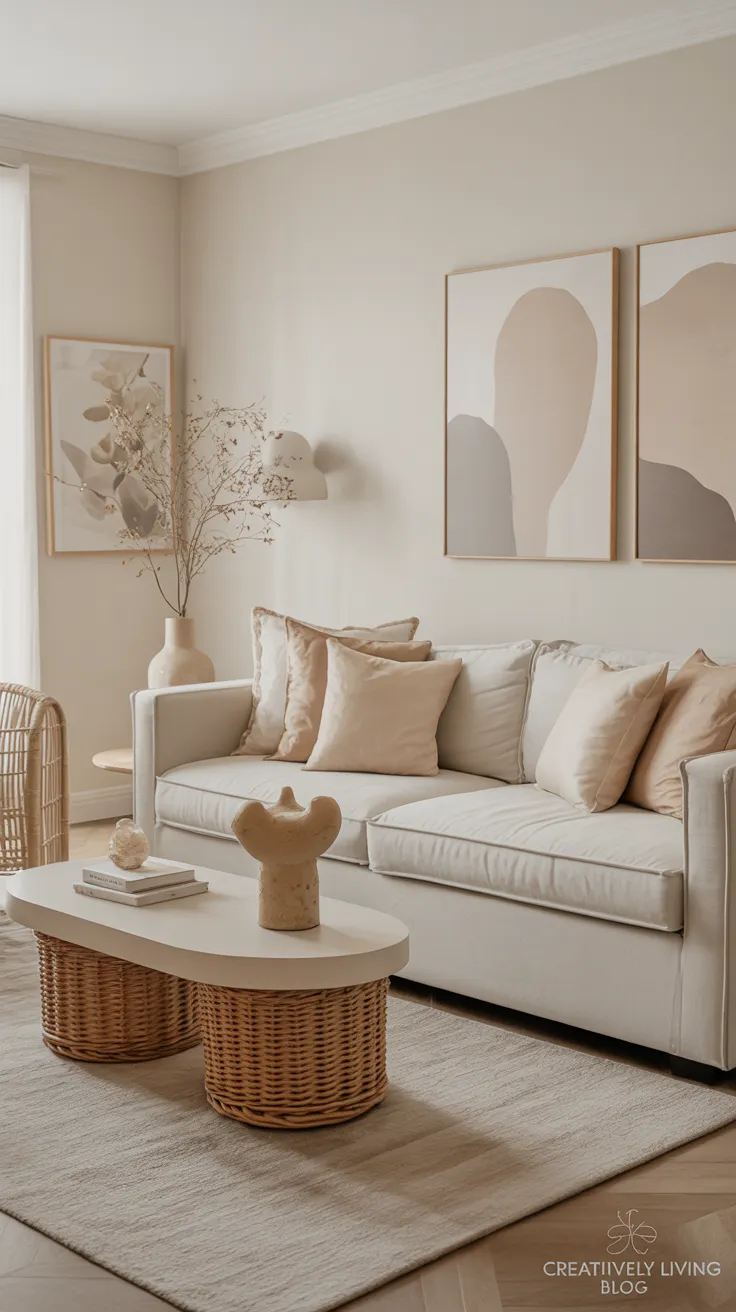
Too many colors can make a space feel chaotic.
Pick 2–3 main tones and repeat them throughout the room. That’s what makes spaces feel calm and pulled together.
Think: warm neutrals + one accent color.
5. Declutter Surfaces (But Don’t Empty Them)
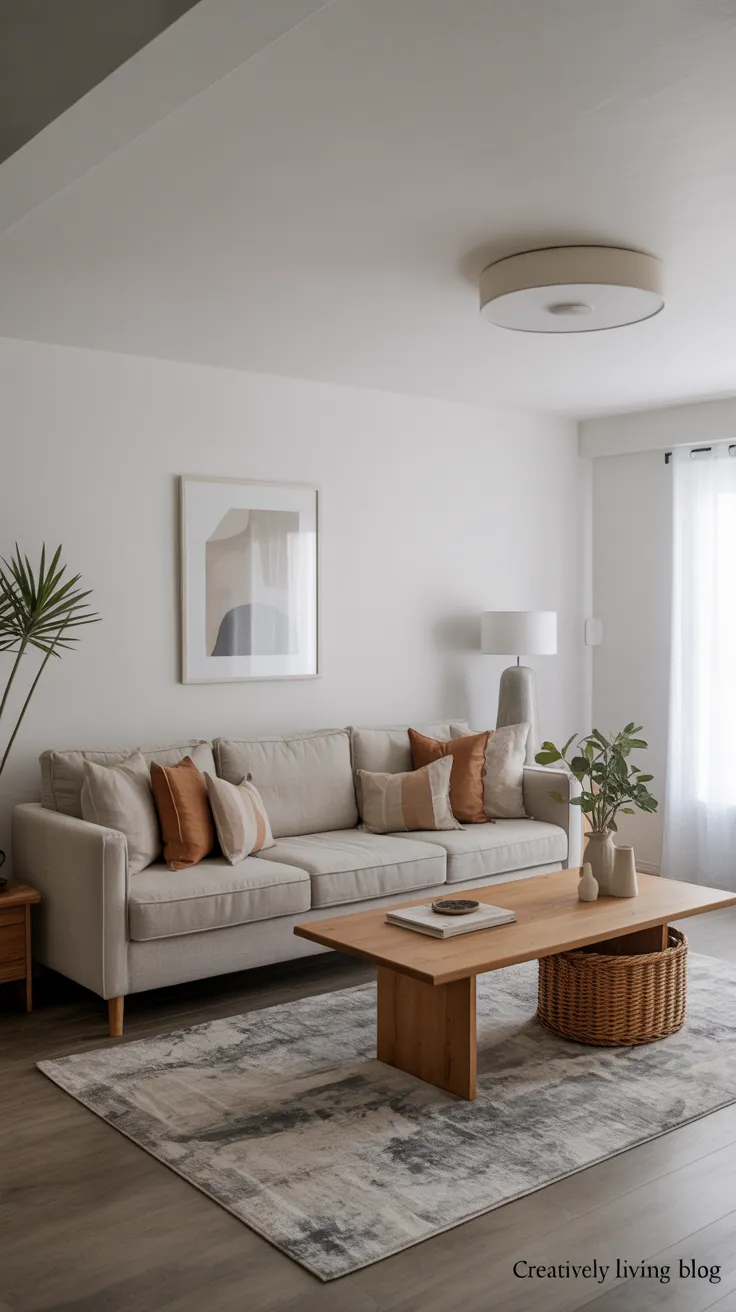
Completely empty spaces feel unfinished.
But cluttered surfaces feel messy.
The sweet spot is intentional styling—books, a vase, maybe a candle. That’s it.
6. Add One Oversized Piece
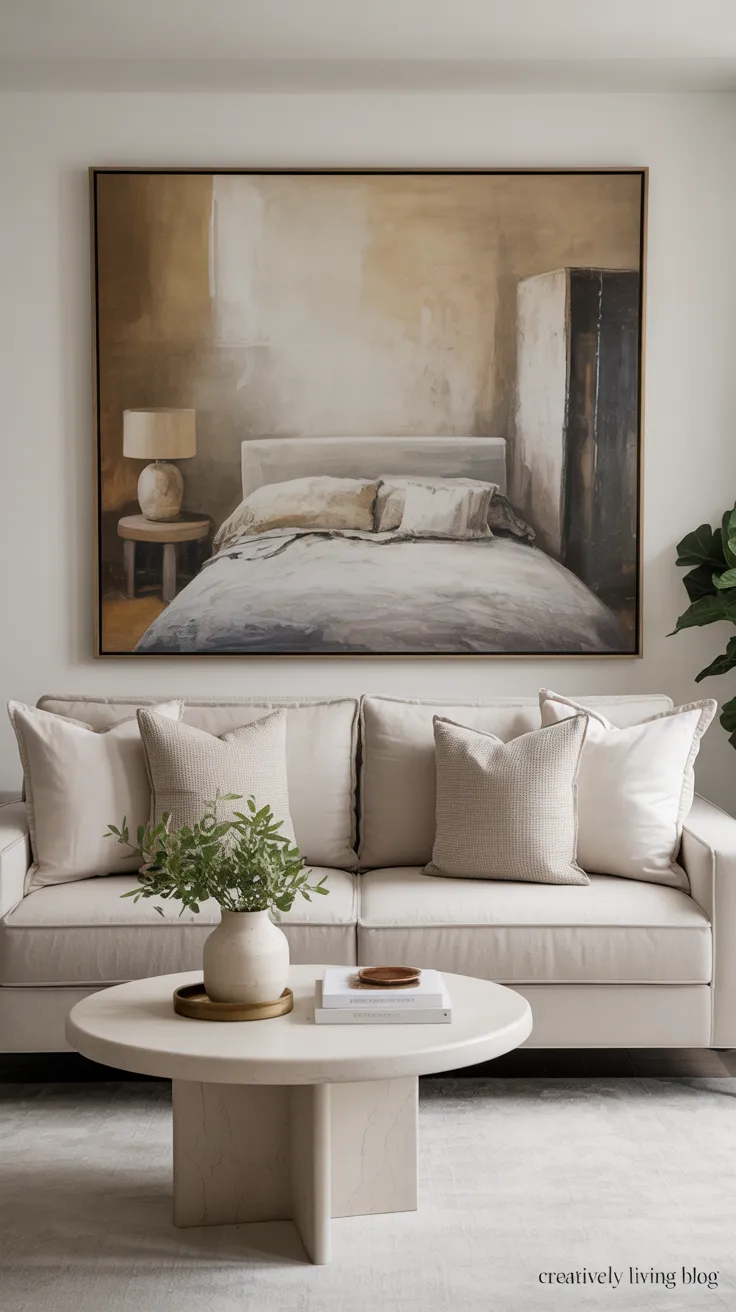
Instead of lots of small decor, go bigger.
A large artwork, a big mirror, or a statement lamp makes a stronger impact and feels more designer.
Small clutter = busy.
Large statement = calm.
7. Upgrade Your Throw Pillows
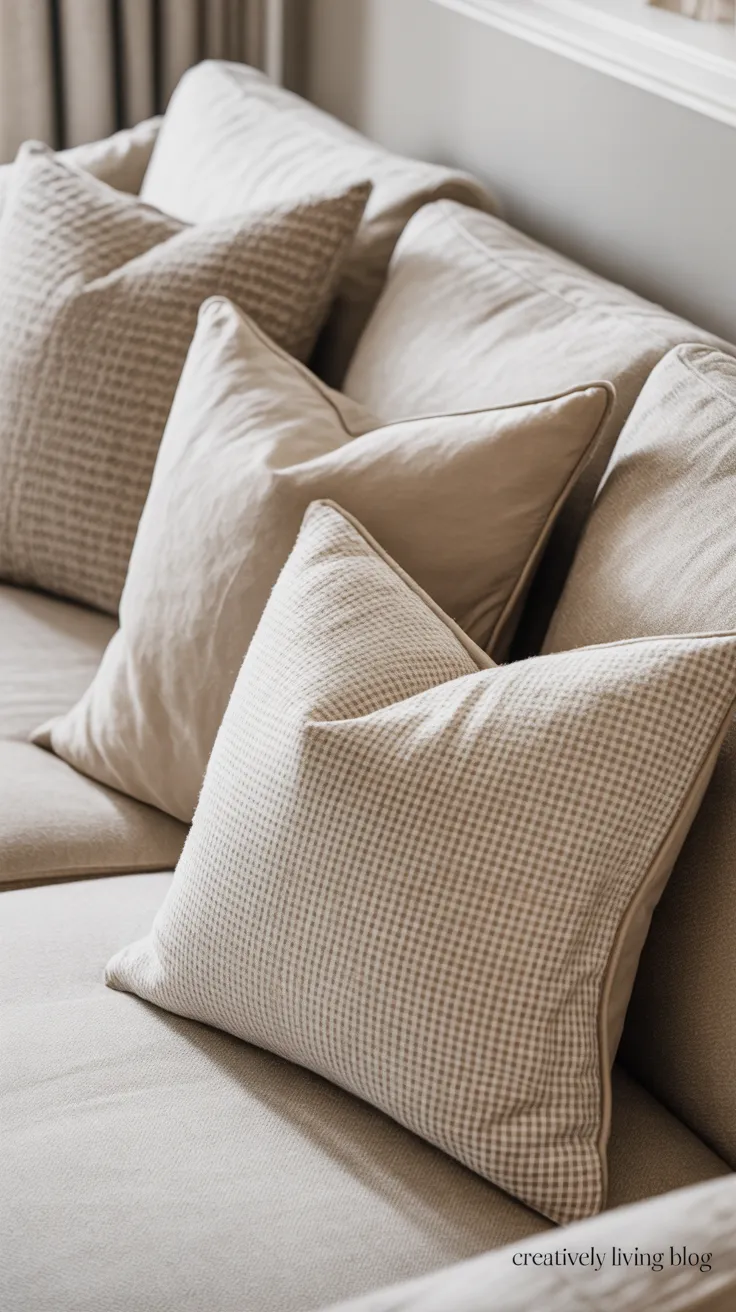
Flat, overstuffed, or mismatched pillows can drag a whole room down.
Swap them for better inserts and textured covers like linen, boucle, or velvet.
A simple set of neutral throw pillows can make a couch look completely different.
8. Mix Textures, Not Just Colors
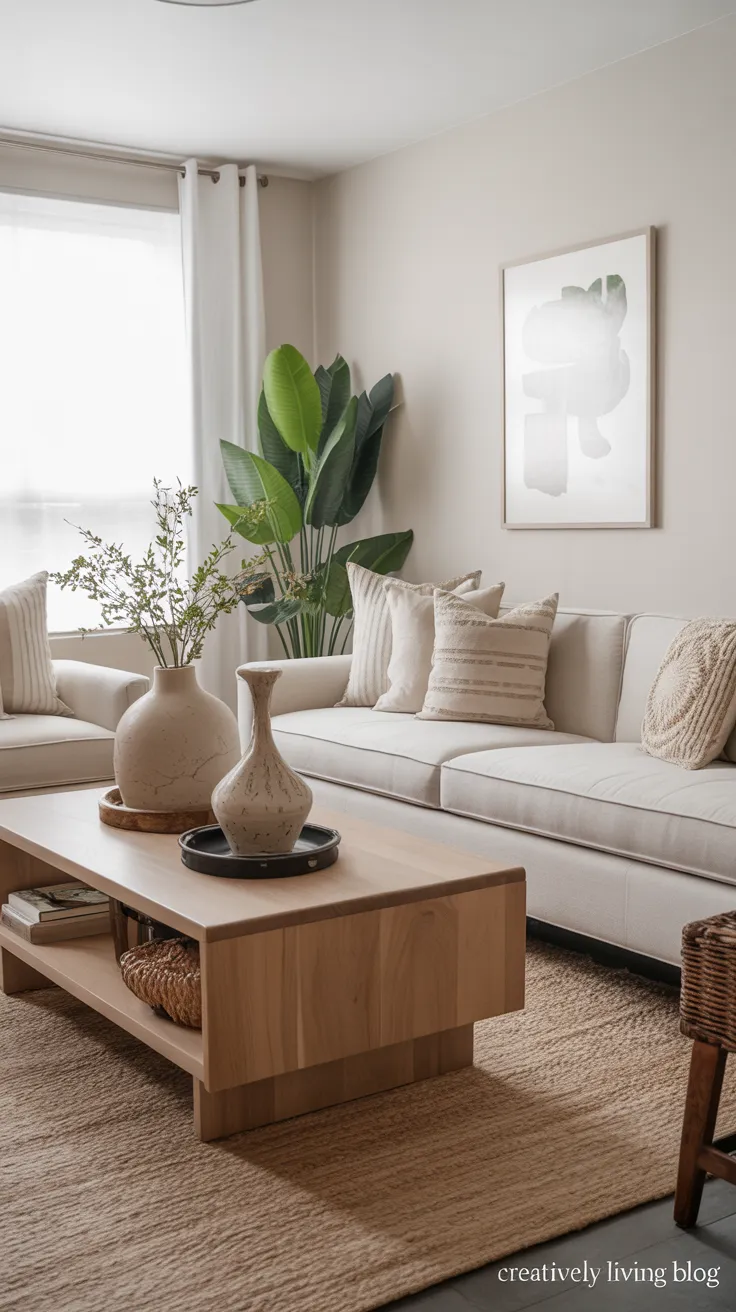
Expensive-looking homes always have layered textures.
Think: wood, fabric, metal, glass, woven elements.
Even if everything is neutral, texture keeps the room from feeling flat.
9. Add Fresh (or Good Faux) Greenery
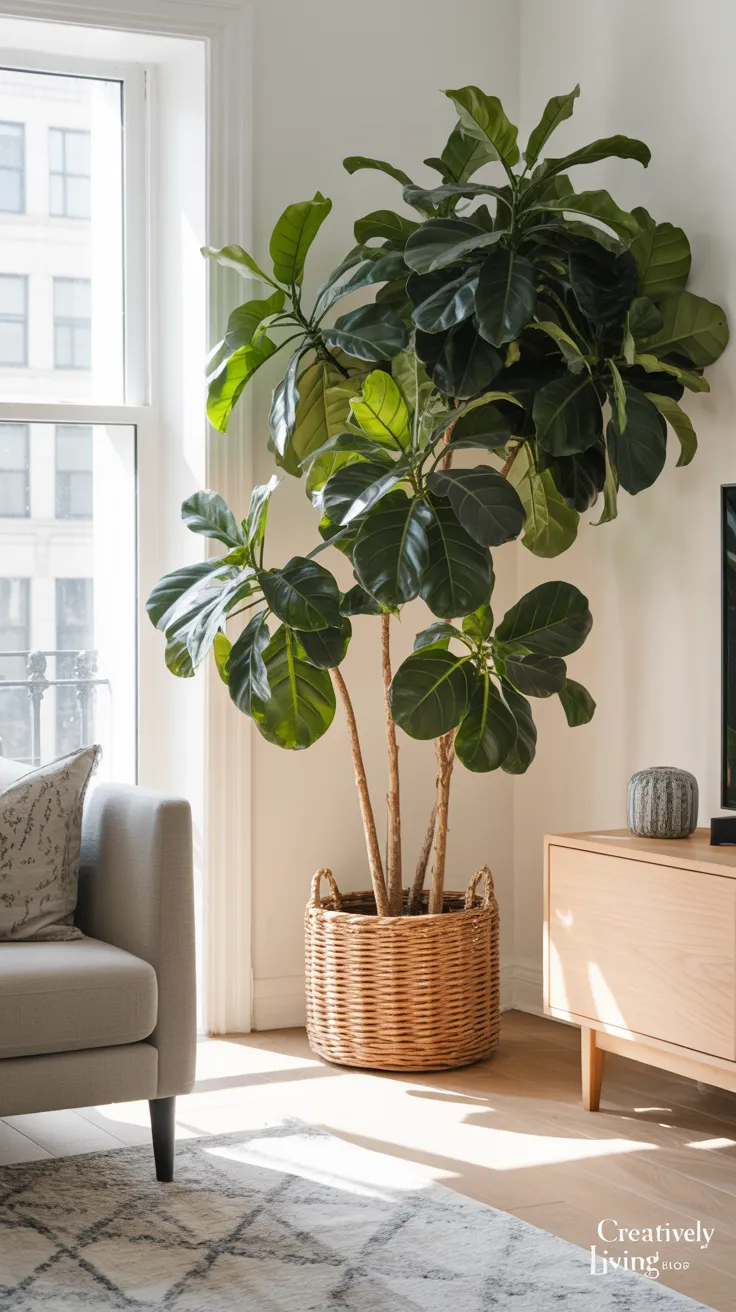
Nothing makes a space feel alive like plants.
A large olive tree, a simple vase of stems, or even a small plant on a table instantly softens the room.
And yes—realistic faux plants work if real ones don’t survive in your house.
10. Style in Odd Numbers
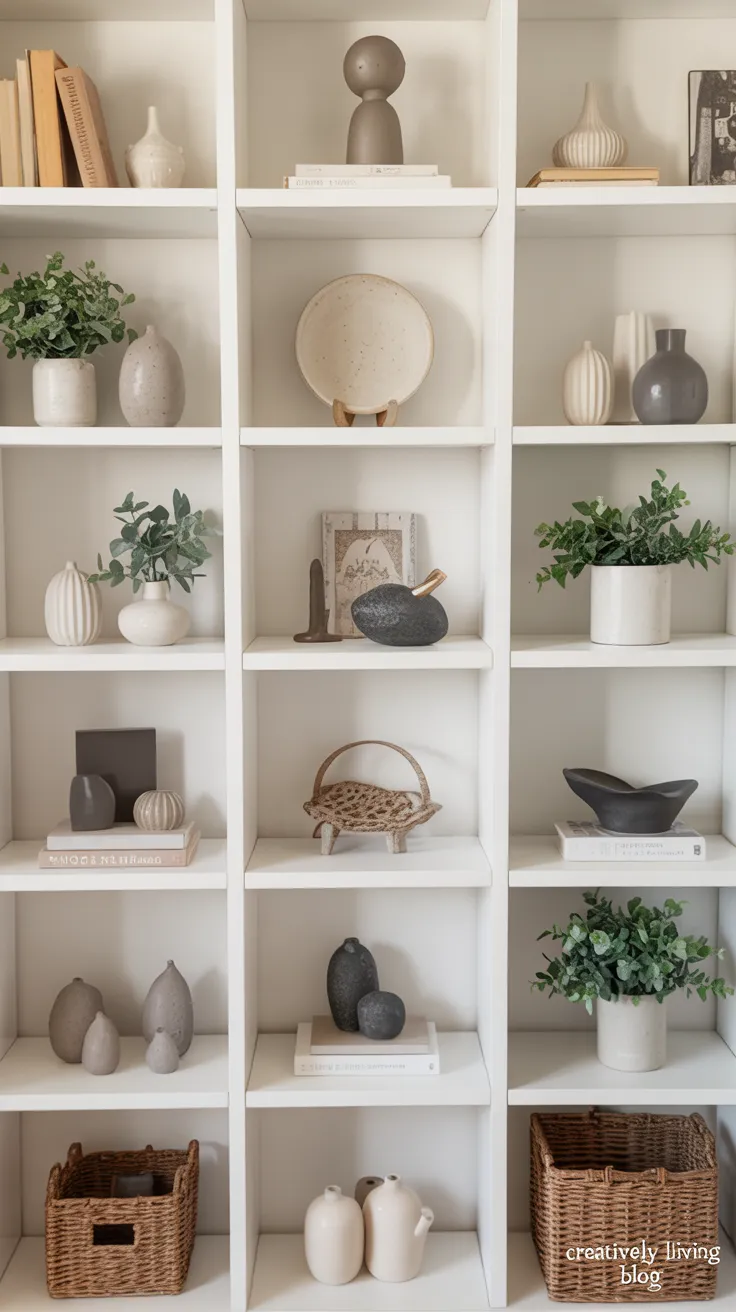
It sounds random, but it works.
Group decor in sets of 3 or 5 instead of pairs. It looks more natural and less staged.
Try it on a coffee table or shelf—you’ll see the difference immediately.
11. Use Trays to Create Structure
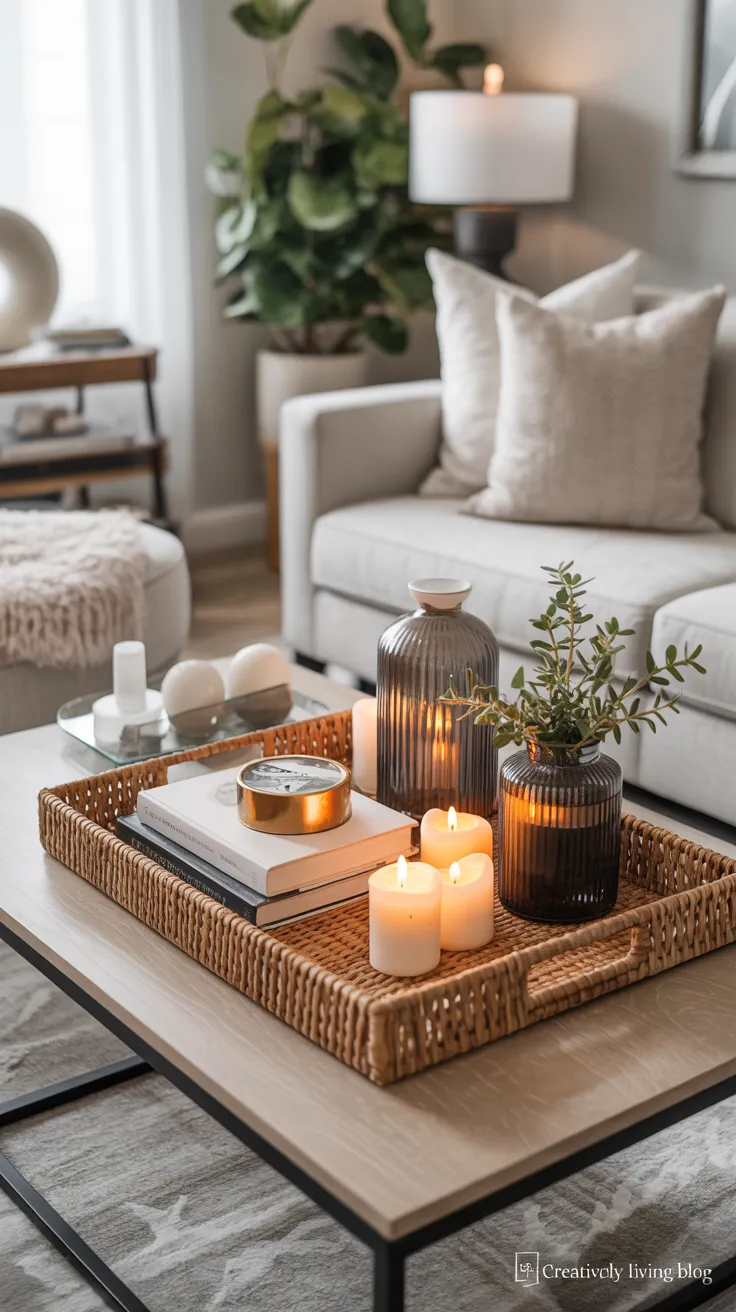
A tray makes everything look intentional.
Coffee table clutter instantly looks styled when placed on a tray.
Wood, marble, or woven trays all work depending on your style.
12. Swap Basic Hardware
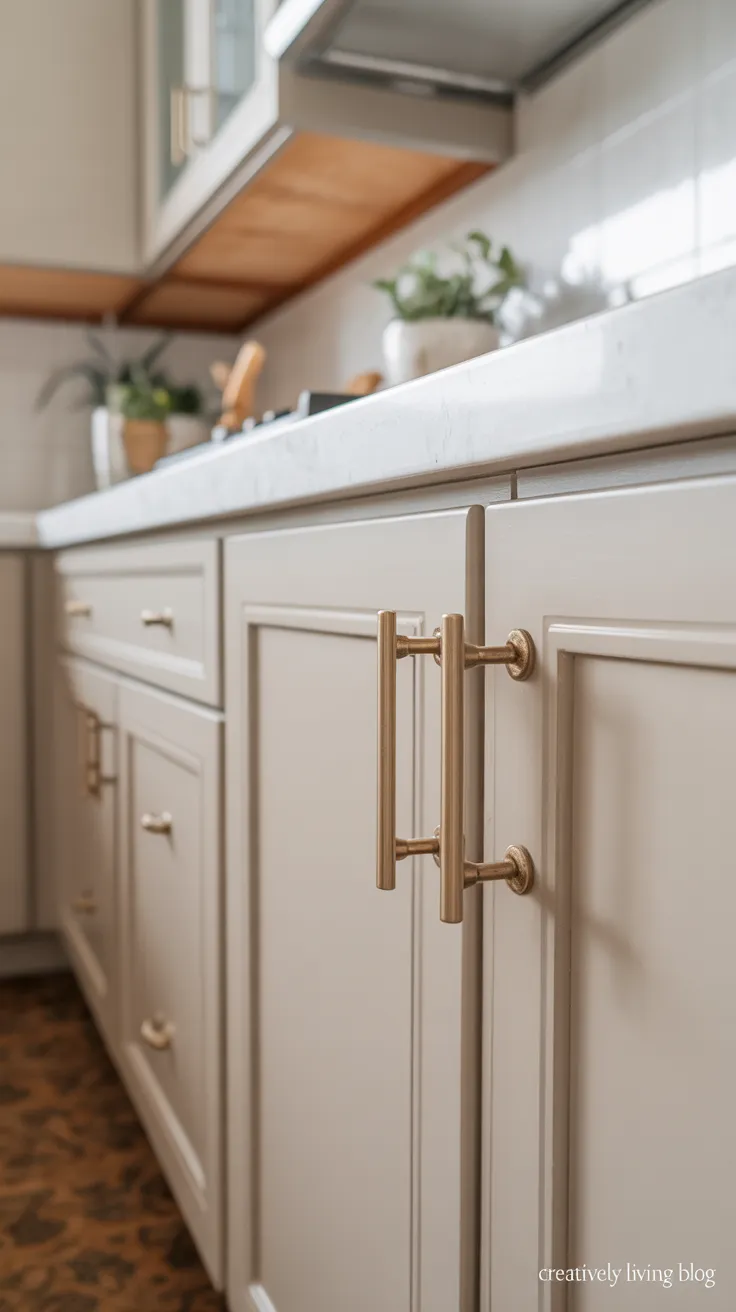
This is one of the easiest upgrades.
Cabinet handles, drawer pulls, and even door knobs can make a kitchen or dresser feel completely different.
Matte black, brass, or brushed gold are all solid choices.
13. Add a Large Mirror
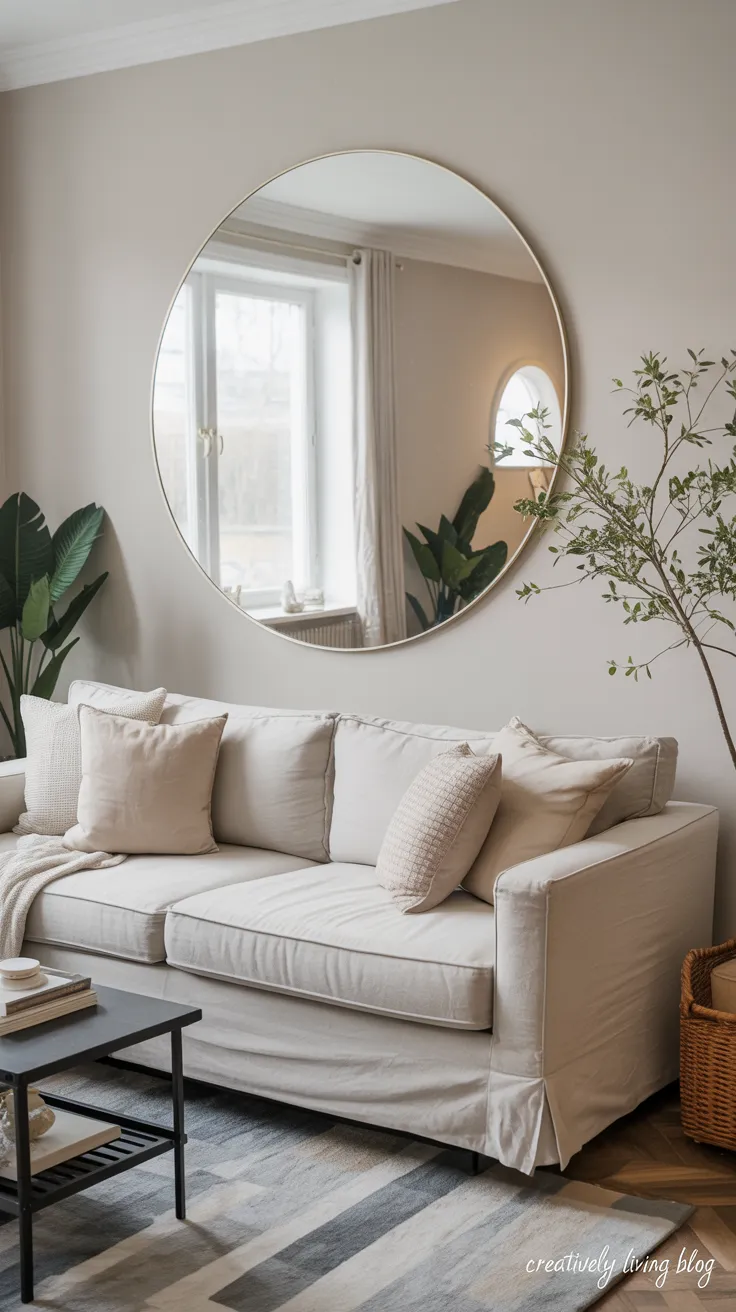
Mirrors reflect light and make spaces feel bigger.
A well-placed mirror can brighten a dark room and make it feel more open.
Bonus—it doubles as decor without adding clutter.
14. Keep Cords Hidden
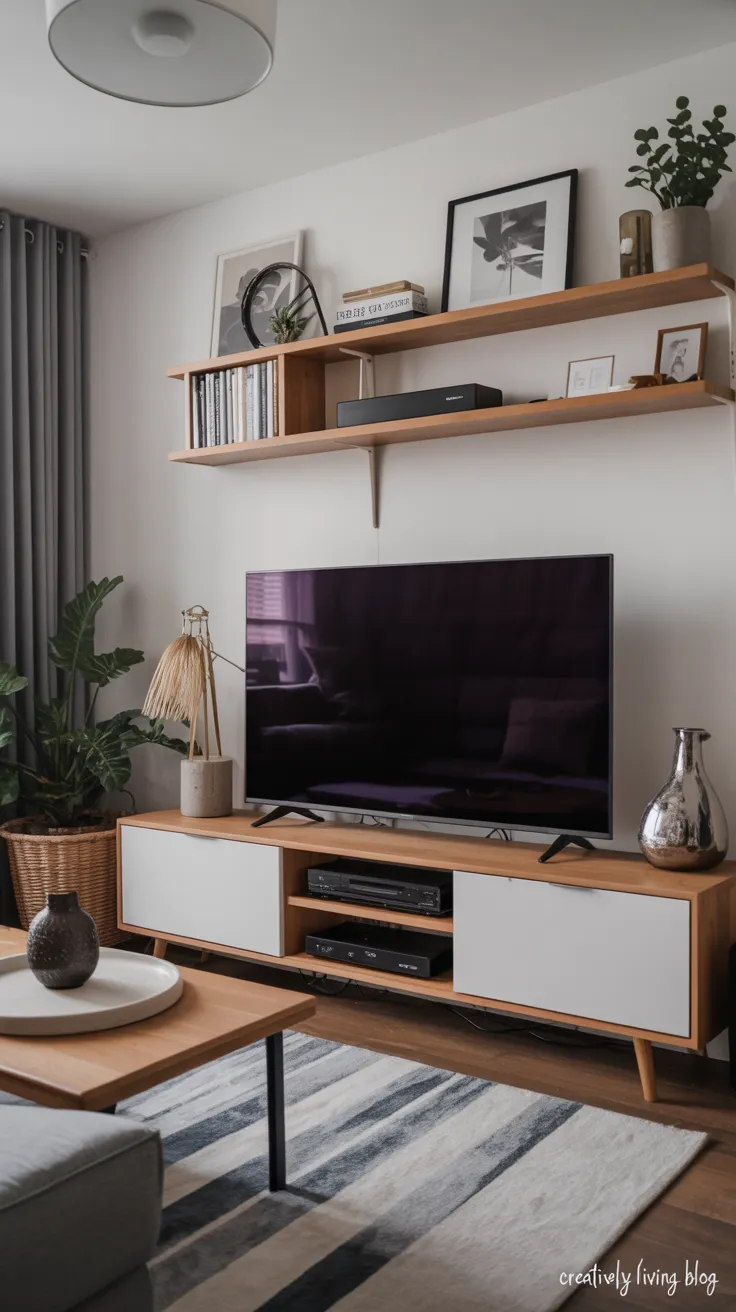
Visible cords make a space feel messy fast.
Tuck them away, use cord covers, or reroute them behind furniture.
It’s a small detail that makes a big difference.
15. Upgrade Your Bedding
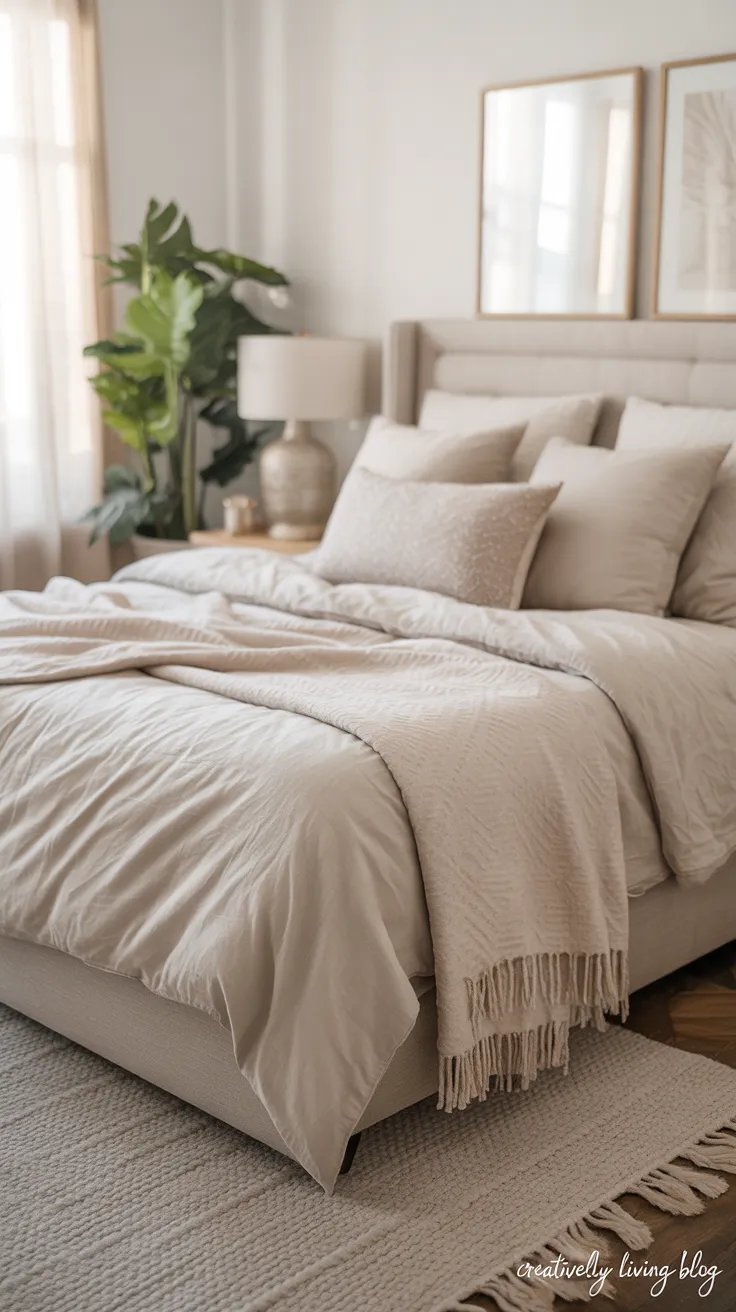
A well-made bed changes the whole room.
Layered bedding—neutral sheets, a duvet, a throw—feels clean and hotel-like.
Crisp whites, soft beiges, or muted tones always look more expensive.
16. Use Matching Hangers in Closets
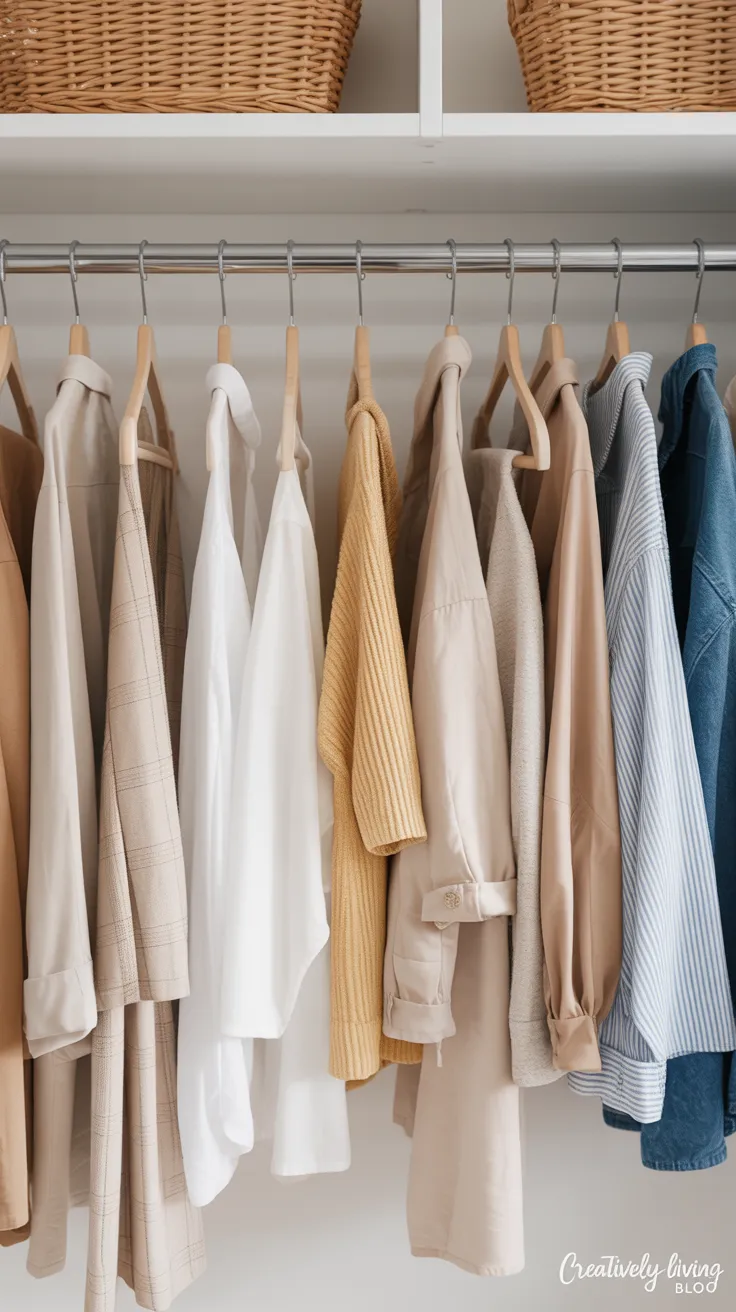
This sounds small, but it matters.
Matching hangers make your closet look organized and elevated instantly.
It’s one of those little things that makes your home feel more put together overall.
17. Add Warm Wood Tones
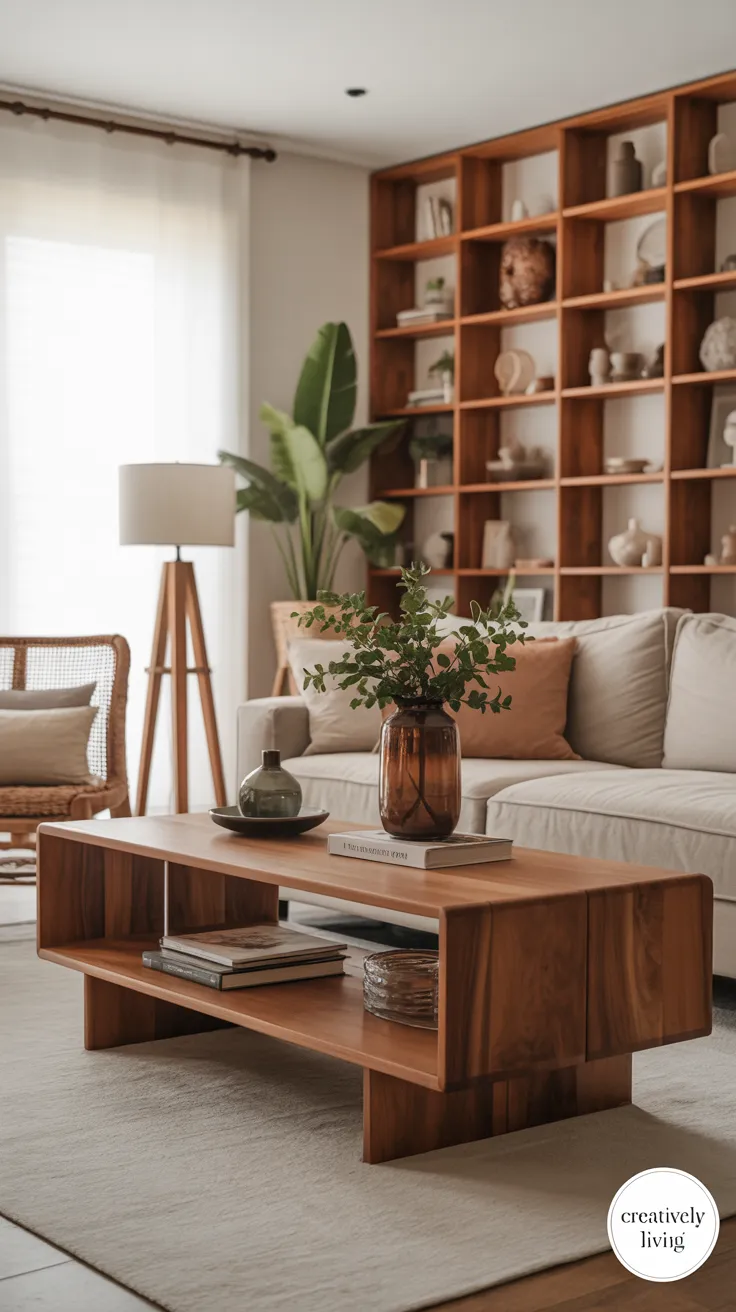
Even in modern homes, wood adds warmth.
A wood coffee table, tray, or shelf keeps the space from feeling cold or overly minimal.
It’s what makes a room feel lived-in.
18. Layer Lighting Instead of Relying on One Source
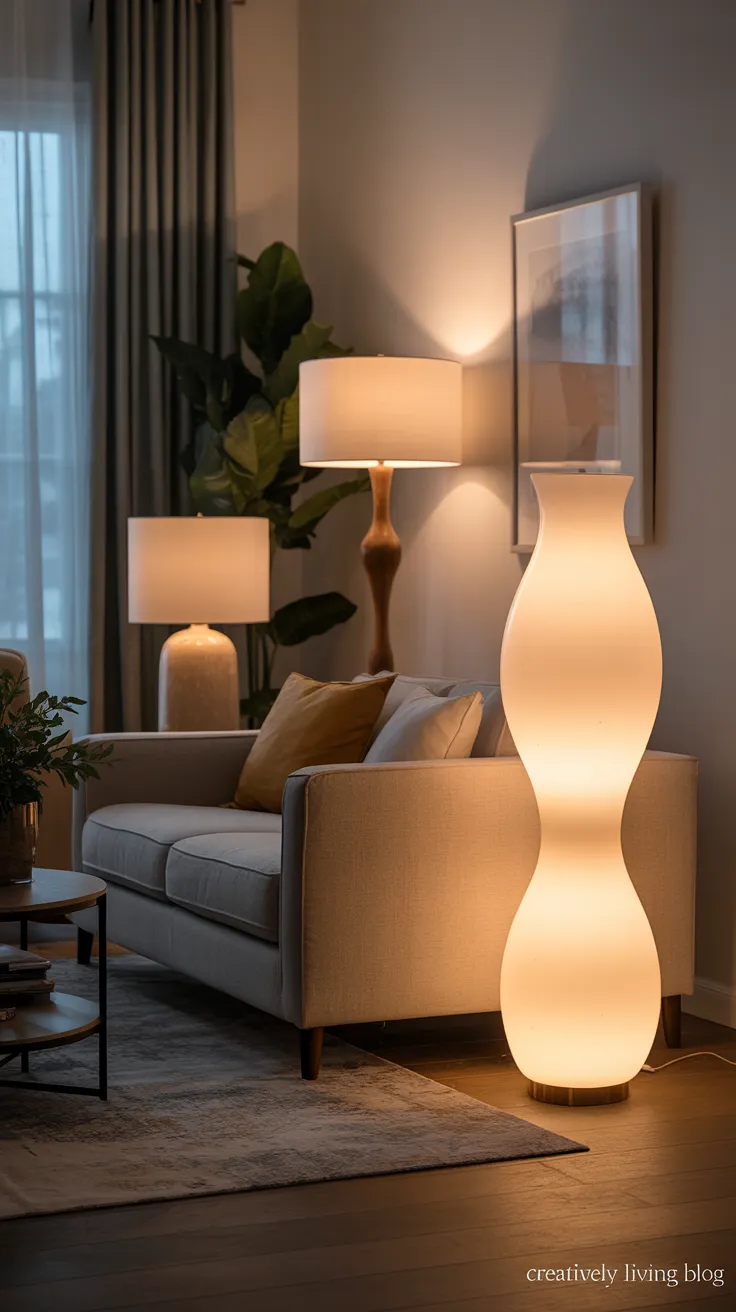
Overhead lights alone rarely look good.
Add at least two more light sources—like a lamp and a floor light.
This creates depth and makes the room feel softer at night.
19. Keep Furniture Proportions Balanced
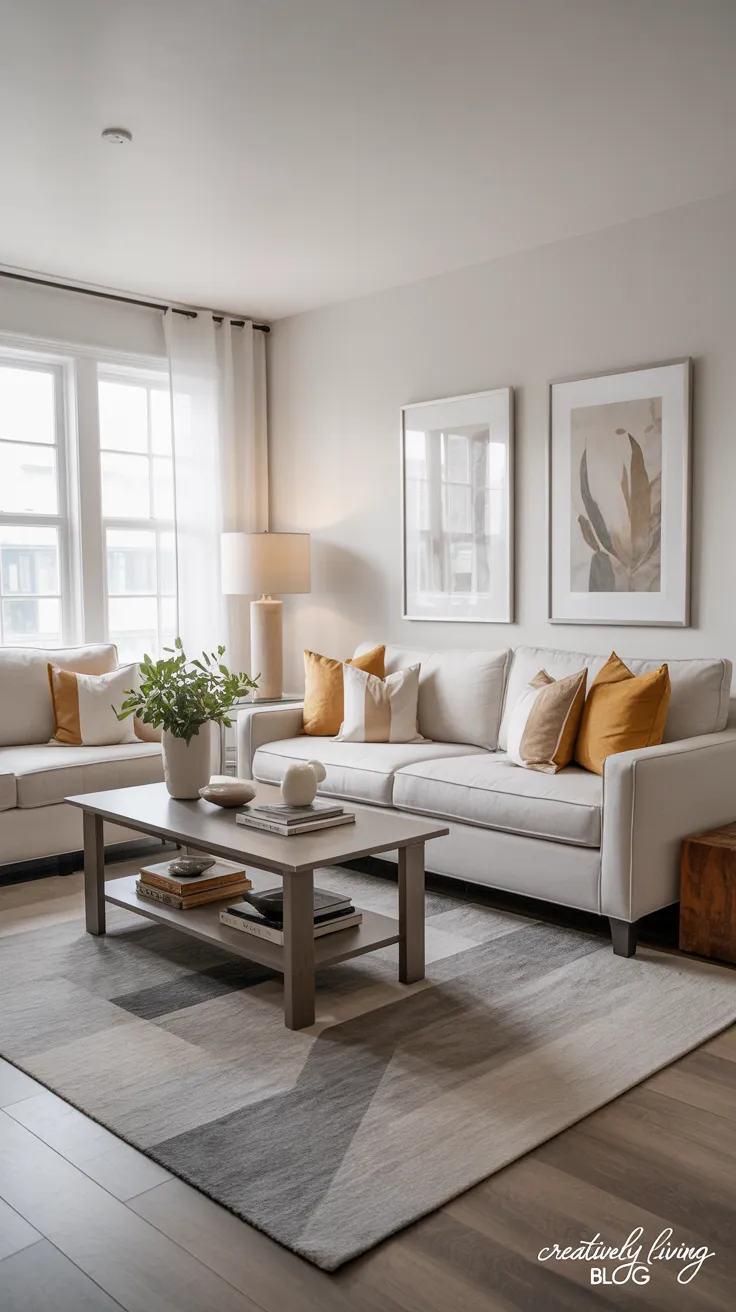
Too-small furniture makes a room feel awkward.
A tiny coffee table with a large sofa, or undersized art above a big couch, throws everything off.
Scale matters more than people think.
20. Use Neutral Base, Then Add Contrast
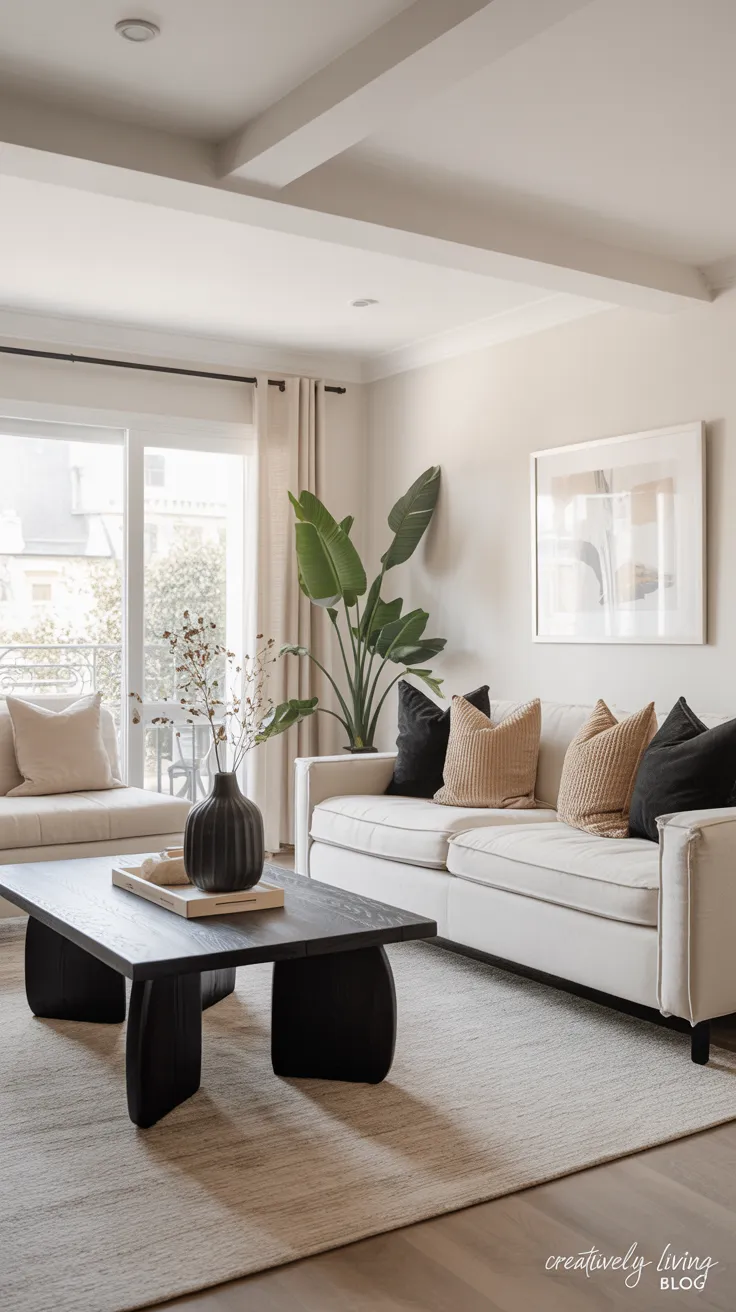
Start with neutral foundations—walls, sofa, rug.
Then add contrast with darker accents, metals, or a pop of color.
That balance is what makes a room feel designed, not random.
21. Edit Before You Add
Before buying new decor, remove things.
Sometimes the room already has what it needs—it’s just buried under too much stuff.
Editing is free and often more effective than shopping.
22. Make One Area Feel Finished
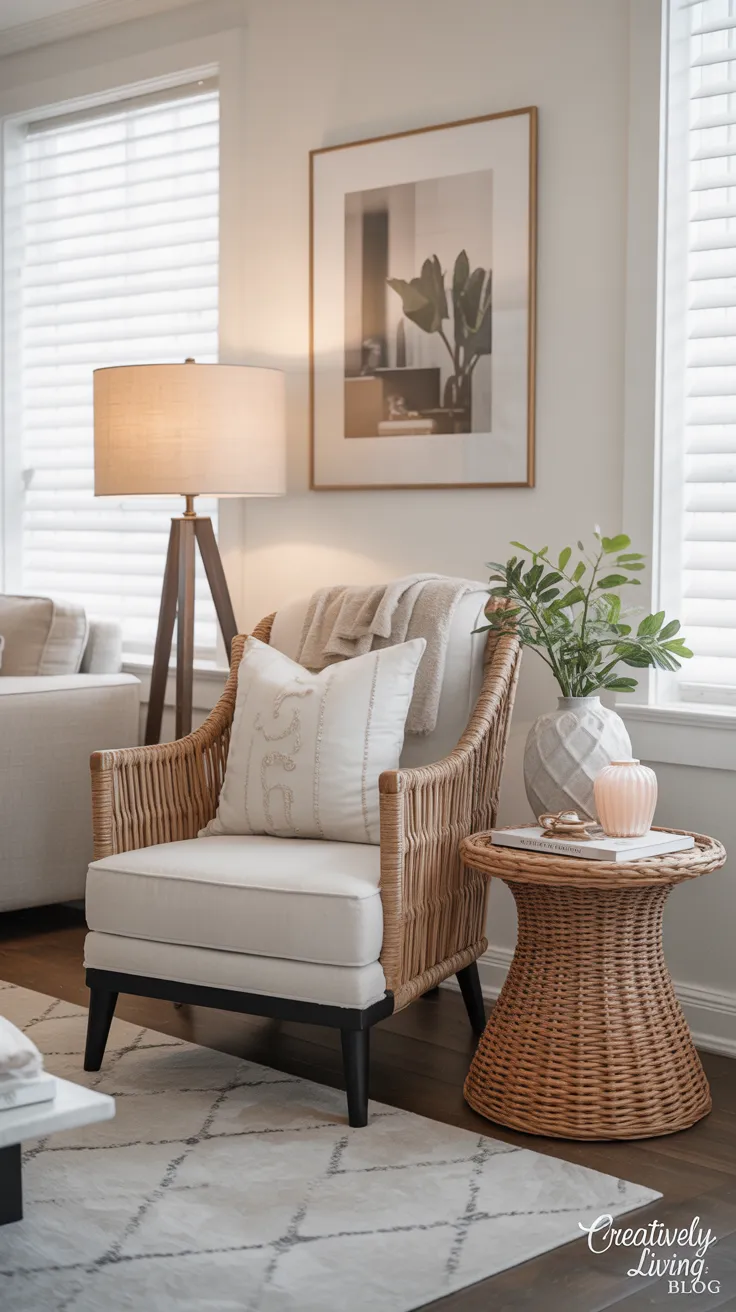
Instead of trying to fix the whole house at once, focus on one corner or one room.
A styled coffee table, a finished sofa setup, or a clean entryway creates momentum.
And honestly, one finished space already makes your home feel better.
Final Thoughts
Making your home look more expensive isn’t about buying expensive things.
It’s about paying attention to details—lighting, scale, texture, and how everything works together.
Most of these changes are simple. Some cost nothing at all.
Start small. Adjust what you already have.
And once one area clicks into place, the rest gets a whole lot easier.
